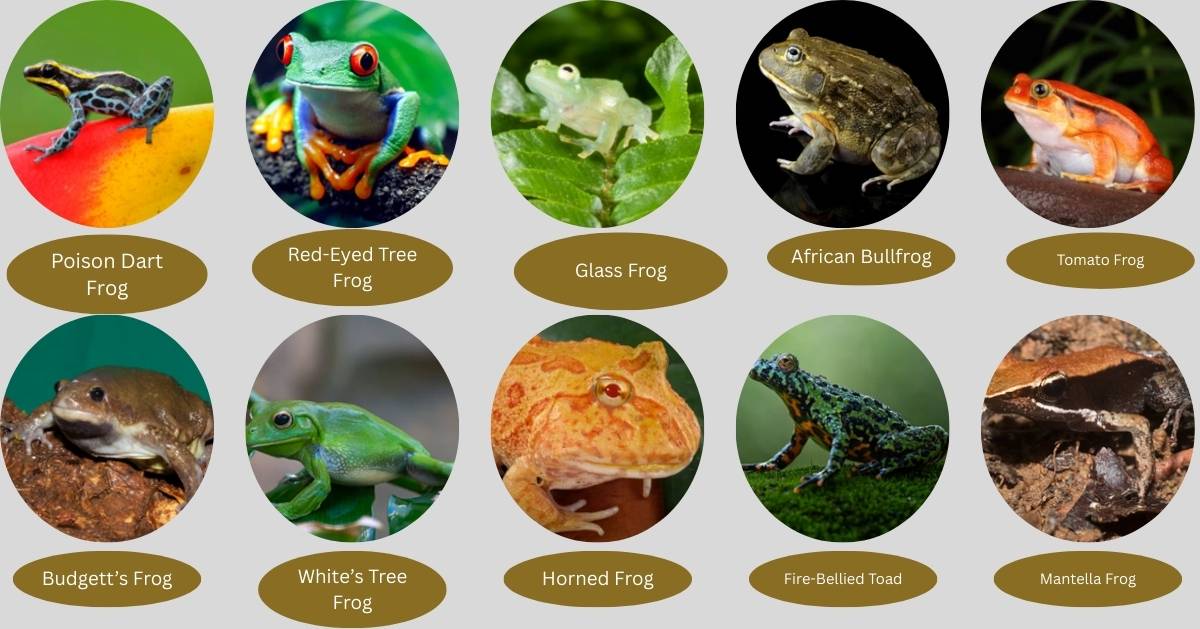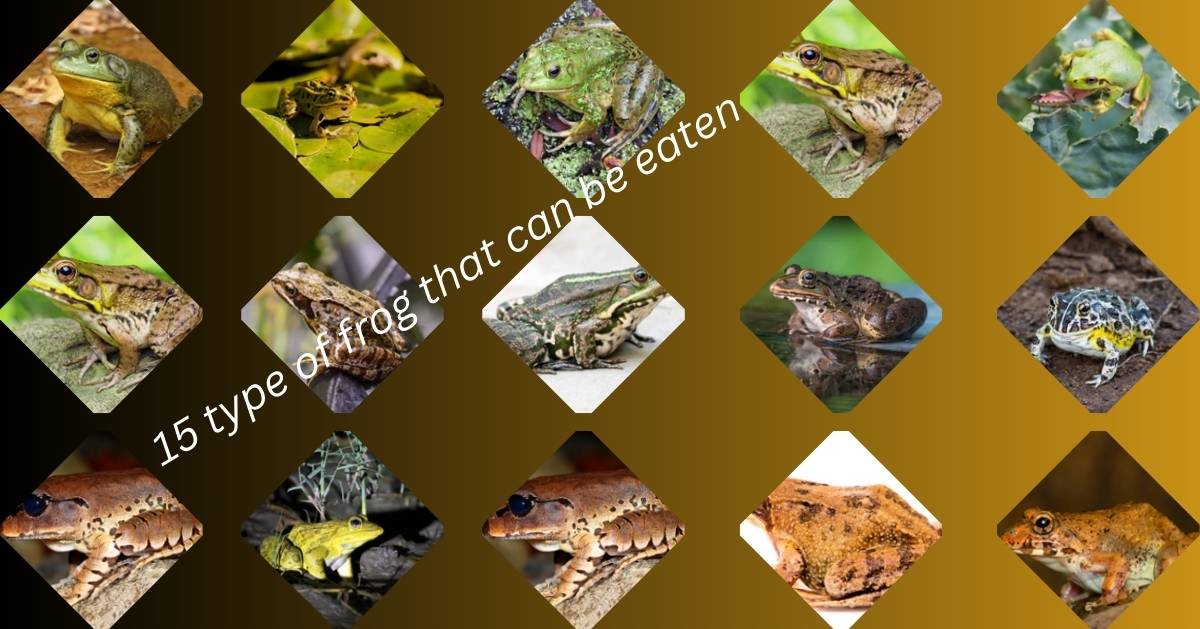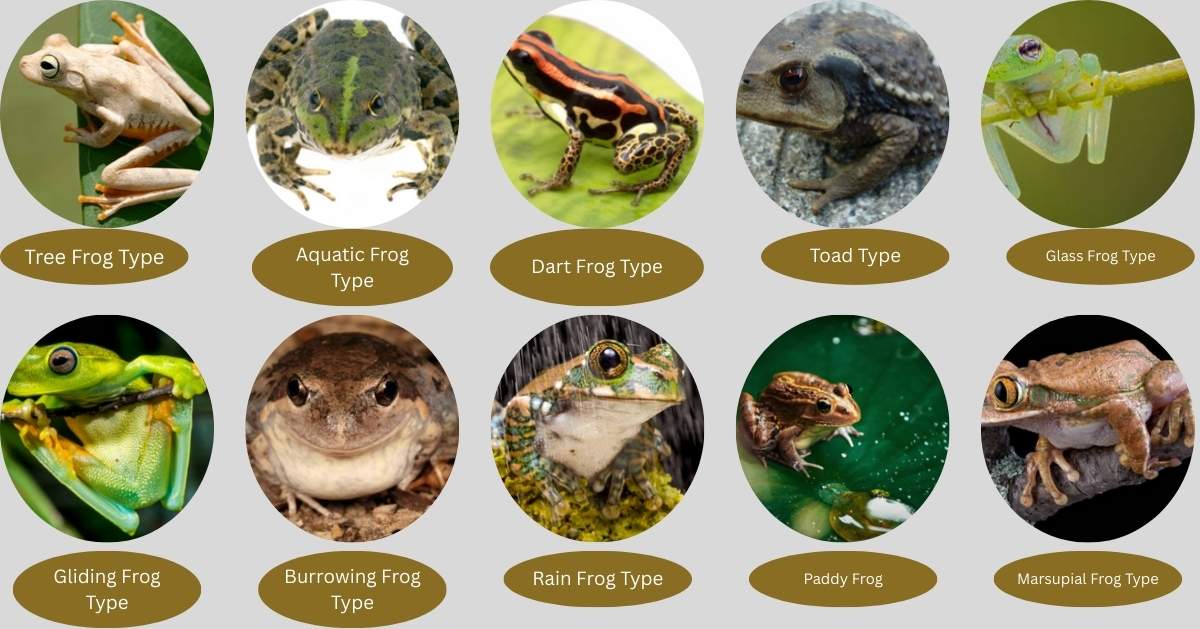

China is home to an exceptionally diverse range of frog species, thanks to its wide variety of habitats—from tropical rainforests in the south to cold, high-altitude regions in the west and temperate forests in the north. The fifteen frogs highlighted in this collection represent some of the most distinct and ecologically important species found across the country. Some, like the Chinese Giant Frog and Black-spotted Pond Frog,
1. Chinese Giant Frog (Limnonectes bannaensis)

The Chinese Giant Frog is a medium-to-large anuran native to the warm, moist regions of southern China. Known for its sturdy build, strong hind limbs, and calm temperament, this species is commonly found near freshwater streams, forest floors, and shaded wetland habitats. It plays an important ecological role in maintaining insect populations and is often encountered by researchers studying amphibian diversity in Yunnan and surrounding regions. Despite facing increasing environmental pressures, the species remains an important indicator of healthy forest ecosystems.
Identification
- Size: Medium to large, with a broad, muscular body
- Coloration: Brown, gray, or olive with light mottling
- Head Shape: Wide head and rounded snout
- Skin Texture: Slightly rough but not heavily warted
- Habitat Clue: Often found close to forest streams and damp ground
Distribution
This species is primarily distributed across southern China, especially Yunnan Province. Smaller scattered populations may also extend into parts of Southeast Asia. The frog thrives in subtropical lowland environments where humidity remains high year-round. Access to clean freshwater is essential for its survival and reproductive cycle.
Behavior
Chinese Giant Frogs are nocturnal, emerging at night to forage and explore. During the day, they remain hidden under rocks, leaf litter, or near waterbanks. Their strong hind limbs allow them to leap quickly when threatened, though they often rely on camouflage to avoid predators.
Ecology
In its natural environment, the Chinese Giant Frog helps regulate insect and invertebrate populations, functioning as a natural pest controller. It also plays a key role in the food chain, serving as prey for snakes, birds, and small mammals. Its presence indicates clean, unpolluted water and healthy forest systems.
Reproduction
Breeding primarily takes place during the rainy season. Females lay clusters of eggs near slow-moving streams where well-oxygenated water supports healthy tadpole development. Males may produce soft vocalizations during the mating period and often remain close to the egg sites.
Diet
The species feeds on insects, worms, larvae, spiders, and occasionally small aquatic organisms. As an opportunistic feeder, it adapts well to the abundance of forest-floor invertebrates.
Conservation Status
The Chinese Giant Frog is not currently endangered, but faces threats from:
- Habitat destruction
- Pollution of freshwater systems
- Local harvesting
These pressures could impact future population stability if unmanaged.
Interesting Facts
The Chinese Giant Frog is known for its exceptionally powerful hind legs, enabling impressive leaps to escape predators. This adaptation makes it one of the more agile frog species in its range.
Where Does the Chinese Giant Frog Live?
The Chinese Giant Frog lives mainly in the warm, humid regions of southern China, especially:
- Yunnan Province (its primary range)
- Forested lowland areas
- Moist tropical and subtropical valleys
- Regions near clean streams, rivers, and freshwater pools
Typical Habitat
This species prefers:
- Shaded forest floors
- Stream edges with clean, slow-moving water
- Damp soils, leaf litter, and rocky hiding spots
What Are the Benefits of the Chinese Giant Frog for the Human Body?
The Chinese Giant Frog is used in some traditional practices, but there is no scientific evidence that it provides special medical benefits. Below are traditional beliefs and scientifically confirmed nutritional properties (general to edible frogs).
Traditional Beliefs (Not scientifically proven)
Some regions believe frog meat or frog-based soups may:
- Improve general vitality
- Support digestion
- Provide protein for recovery
- Help “cool the body” (a traditional cultural concept)
These are folk beliefs, not medical facts.
Scientifically Supported Nutritional Benefits
(These apply to frog meat in general, not specifically this species.)
1. High-quality protein
Helps with:
- Muscle repair
- Tissue growth
- Overall nutrition
2. Low fat
Frog meat is naturally low in total and saturated fat.
3. Source of essential minerals
May provide:
- Potassium – supports muscle and nerve function
- Iron – helps in oxygen transport
- Phosphorus – supports bones and energy metabolism
Important Notes
- These benefits apply broadly to edible frogs, not uniquely to Limnonectes bannaensis.
- Scientific studies on this specific species are limited.
- Eating wild frogs can be unsafe due to:
- Parasites
- Environmental toxins
2. Oriental Fire-bellied Toad (Bombina orientalis)

A common frog in high-altitude forests of northern China. is one of China’s most visually striking amphibians, well-known for its bright red or orange belly used as a warning display against predators. Found in northeastern China and surrounding East Asian regions, this semi-aquatic species thrives in shallow ponds, marshes, rice fields, and slow-moving streams. Its bold coloration, hardy nature, and distinctive “unken reflex” make it a favorite among herpetologists and enthusiasts. In natural habitats, the Oriental Fire-bellied Toad plays an essential ecological role by keeping insect populations in balance while also serving as prey for larger animals, maintaining the health of wetland ecosystems.
Identification
- Size: Small, typically 4–6 cm in length
- Skin Texture: Rough, warty skin on top; smoother underside
- Habitat Clue: Commonly seen around ponds or rice paddies with still or slow-moving water
Distribution
The Oriental Fire-bellied Toad is distributed mainly across northeastern China, especially in:
- Heilongjiang
- Jilin
- Liaoning
- Northern Korea and parts of the Russian Far East
Its populations favor temperate lowland wetlands, where water remains shallow and vegetation is dense. The species adapts well to agricultural and semi-urban areas as long as water quality is sufficient.
Behavior
Fire-bellied toads are active during both day and night, frequently floating near the water’s surface with a relaxed posture. When threatened, they perform the “unken reflex”—flipping slightly to expose their bright red belly as a warning signal. They are vocal animals, producing soft, rhythmic calls throughout the breeding season.
Ecology
In their ecosystem, these toads consume mosquitoes, flies, aquatic larvae, beetles, and small invertebrates, helping regulate pest populations. They form an important food source for birds, fish, and water snakes. Their presence is an indicator of a healthy wetland environment.
Reproduction
Breeding occurs in late spring to early summer. Females lay small clusters of eggs on submerged vegetation or floating plant debris. Tadpoles develop in calm water and metamorphose during warm months.
Diet
Their diet includes:
- Aquatic insects
- Worms
- Mosquito larvae
- Spiders
- Small crustaceans
They are opportunistic feeders with strong appetites, especially during the warm season.
Conservation Status
The Oriental Fire-bellied Toad is currently not endangered, but threats such as habitat loss, wetland drainage, and water pollution can reduce local populations. Captive breeding programs help reduce pressure from the pet trade.
Interesting Facts
- The species’ brilliant belly coloration warns predators that its skin contains mild toxins.
- Its distinctive “barking” call is easily recognized in wetlands during mating season.
- Despite being small, it is one of East Asia’s most iconic amphibians.
Where does the Oriental Fire-bellied Toad live?
The toad lives in:
- Northeastern China
- Temperate wetlands
- Marshes, ponds, slow streams
- Rice fields and shallow freshwater pools
What are the benefits of the Oriental Fire-bellied Toad for the human body?
There are no proven medical benefits specific to this species. However, for educational purposes:
Traditional Beliefs (not scientifically proven)
Some folk traditions suggest toads may help with:
- Increasing vitality
- General nourishment
- “Balancing internal heat”
These are cultural beliefs, not medical facts.
Scientifically Recognized Benefits (general to frogs, not species-specific)
If consumed (not recommended for wild populations):
- High-quality protein beneficial for muscle health
- Low fat content
- Minerals such as potassium and iron
Important Notes
The species’ skin contains mild toxins — unsafe for consumption.
Scientific evidence of medicinal value is lacking
3. Asiatic Painted Frog

The Asiatic Painted Frog—also called the Banded Bullfrog or Chubby Frog—is a stout, round-bodied amphibian commonly found across southern China and much of Southeast Asia. Known for its adorable “inflated” shape and striking dark body bands, this frog is widely recognized for its ability to adapt to urban environments, farmland, and forest edges. Despite its seemingly slow appearance, the Asiatic Painted Frog is a resilient burrower, emerging mostly during humid nights to forage. It plays a vital ecological role by consuming large amounts of insect pests, making it highly beneficial to agricultural landscapes. Its hardy nature also makes it one of the most commonly encountered frogs near human settleme
Identification
- Size: Medium-sized, typically 5–7.5 cm in length
- Coloration: Dark brown body with striking cream or tan side bands
- Head Shape: Short, rounded head with small eyes
- Skin Texture: Smooth, slightly glossy skin
- Habitat Clue: Frequently found near homes, gardens, rice fields, and moist soil burrows
Distribution
The Asiatic Painted Frog is widespread in southern China, including:
- Guangxi
- Guangdong
- Hainan
- Yunnan
It also extends across Southeast Asia, from Thailand to Myanmar and Vietnam. This species thrives in warm, lowland habitats, including farmland, forest edges, urban parks, and rural villages. Because it can tolerate disturbed environments, it often appears in areas where many other frog species struggle to survive.
Behavior
These frogs are mostly nocturnal, spending the day hidden inside burrows they dig using their strong hind limbs. During heavy rains, they become highly active and vocal, producing a low, resonant “mooing” call. When threatened, they may inflate their bodies to appear larger and less appealing to predators.
Ecology
The Asiatic Painted Frog helps control insect populations by consuming ants, termites, beetles, and other pests. This makes it especially valuable in agricultural environments. It also supports local food webs by serving as prey for snakes, birds, and small mammals.
Reproduction
Breeding occurs during the rainy season when temporary ponds and puddles form. Females lay thousands of tiny eggs in floating clusters. Tadpoles develop rapidly, often completing metamorphosis within a few weeks due to the temporary nature of their ponds.
Diet
Its diet includes:
- Ants
- Beetles
- Termites
- Worms
- Small invertebrates
Their strong, sticky tongues make them efficient insect hunters.
Conservation Status
This species is listed as Least Concern, thanks to its wide distribution and adaptability. However, pesticide use and habitat drainage can affect local populations.
Interesting Facts
- When threatened, the frog inflates like a balloon to deter predators.
- Its call resembles a cow’s “moo,” earning it the name Banded Bullfrog.
- It is one of the most commonly found frogs in urban Asian environments.
Where does the Asiatic Painted Frog live?
It prefers:
- Lowland forests
- Moist gardens
- Rice fields
- Farmland edges
- Rain-fed temporary ponds
- Urban and suburban areas with soft soil for burrowing
What are the benefits of the Asiatic Painted Frog for the human body?
Traditional Beliefs (not scientifically proven)
Some local traditions claim that frog meat may:
- Improve vitality
- Aid digestion
- Provide warmth or “balance the body”
These claims have no scientific confirmation.
Scientifically Supported (general frog meat benefits)
If consumed (not unique to this species):
- High-quality protein supports muscle and tissue health
- Low fat content
- Minerals like potassium and iron
Important Notes
- Not all populations are safe to eat due to pesticide exposure.
- No proven medicinal benefits specific to this species.
4. Eastern Cliff Frog (Odorrana schmackeri)

This Eastern Cliff Frog in central China, also known as Schmackeri’s Frog, is a sleek, agile amphibian native to the fast-flowing mountain streams of central and southern China. Recognized for its bright green or brownish coloration and exceptional jumping ability, this species is perfectly adapted to life among slippery rocks and steep ravines. Its streamlined body and long, powerful legs allow it to move swiftly in turbulent environments where other frogs could not survive. The Eastern Cliff Frog is an important indicator of freshwater quality because it depends on clean, oxygen-rich water for breeding and feeding. Its presence in mountainous forests often signals a healthy, intact ecosystem.
Identification
- Size: Medium-sized, typically between 6–9 cm
- Coloration: Vibrant green or brown with darker mottling
- Head Shape: Elongated head with prominent eyes
- Skin Texture: Smooth, moist skin suited for humid environments
- Habitat Clue: Commonly seen perched on rocks near rapid mountain streams
Distribution
The Eastern Cliff Frog is found primarily in:
- Hunan
- Hubei
- Guangdong
- Guangxi
- Fujian
- Zhejiang
It thrives in mid- to high-elevation forested mountains, where water flows rapidly over rocky slopes. The species is strongly associated with clean, fast-moving streams, which serve as both habitat and breeding ground. Due to its dependence on unpolluted water, it is less common near agricultural or urban regions.
Behavior
This frog is mostly nocturnal, leaving its rocky shelters at night to hunt. It is highly alert and can leap long distances to avoid predators. During the day, it stays close to wet rocks, tree roots, or crevices. Because it is exceptionally sensitive to disturbances, it quickly retreats into water when approached.
Ecology
As an insectivorous species, the Eastern Cliff Frog contributes to regulating populations of aquatic insects such as flies, larvae, and small crustaceans. It also serves as prey for forest snakes, fish, and birds. Its presence helps maintain the ecological balance of mountainous freshwater systems.
Reproduction
Breeding occurs during the spring and early summer monsoon season. Females lay eggs in fast-flowing, oxygenated streams, attaching them to submerged rocks. Tadpoles are strong swimmers and have flattened bodies that help them cling to surfaces in turbulent water.
Diet
Their diet includes:
- Aquatic insects
- Larvae
- Beetles
- Small crustaceans
- Spiders
They are highly opportunistic and hunt both on land and in shallow water.
Conservation Status
The species is currently categorized as Least Concern, but it is threatened locally by:
- Water pollution
- Deforestation
- Hydropower development
- Climate change affecting stream flow
Interesting Facts
- This frog is an exceptional climber and can scale wet, vertical rock surfaces.
- Its skin secretes mild toxins that help deter predators.
- Tadpoles have specialized mouthparts adapted for fast-flowing water.
Where does the Eastern Cliff Frog live?
It lives mainly in:
- Mountain streams
- Rocky ravines
- Humid subtropical forests
- Slopes with rapid water flow
- Shaded, cool environments with continuous moisture
What are the benefits of the Eastern Cliff Frog for the human body?
Traditional Beliefs (Not scientifically proven)
In some regions, people believe frog-based soups may:
- Improve general energy
- Support digestion
- Help relieve heat or inflammation
These are folk beliefs with no scientific support.
Scientifically Supported (general frog meat benefits)
If consumed (not specific to this species):
- h-protein food supports muscle repair
- Contains minerals like potassium and iron
Important Notes
- This species is not commonly harvested for food.
- No unique medicinal benefits have been scientifically proven.
- Wild amphibians may carry parasites or toxins.
5. Brown Wood Frog (Rana amurensis)

The Brown Wood Frog, also known as the Amur Frog, is a hardy amphibian found across northeastern China and neighboring regions. It is one of the few frog species capable of surviving in extremely cold climates, including areas where winter temperatures drop far below freezing. Its long, slender limbs, earthy coloration, and preference for forest habitats make it a distinctive species among Asian frogs. The Brown Wood Frog is well adapted to wetlands, riverbanks, and forest floors, where it remains active during most of the year except for a deep winter dormancy. It plays a vital role in forest ecosystems by controlling insect populations and serving as a key prey species for larger wildlife.
Identification
- Size: Medium-sized, typically 4–7 cm
- Coloration: Brown or tan with subtle dorsal stripes or mottling
- Head Shape: Triangular head with a distinct dark mask behind the eyes
- Skin Texture: Smooth, slightly moist skin
- Habitat Clue: Commonly seen in cool forests, marshes, and near slow-moving water
Distribution
The Brown Wood Frog is found widely across northern and northeastern China, particularly in:
- Heilongjiang
- Jilin
- Inner Mongolia
- Parts of Liaoning
Its range also extends northward into Russia and Korea. This frog prefers cool, moist environments, typically within forests, wet meadows, marshes, and river valleys. Unlike many frogs that rely on warm temperatures, the Brown Wood Frog thrives in cold climates and breeds in early spring when ice is still melting.
Behavior
This species is primarily diurnal—active during the day—which sets it apart from many other frogs. During the winter, it enters a state of deep hibernation, sometimes partially freezing while using natural antifreeze-like compounds to protect its cells. It is a timid species, often seeking cover under leaves or dense vegetation when disturbed.
Ecology
The Brown Wood Frog contributes significantly to ecosystem stability by consuming large numbers of insects, particularly mosquitoes, flies, and beetles. It also acts as prey for a wide range of animals, including birds, fish, foxes, and snakes. The species is a valuable indicator of freshwater and forest health.
Reproduction
Breeding begins very early in spring, often right after snowmelt. Males gather in temporary ponds, marshes, or flooded forest edges and call softly to attract females. Females lay large masses of eggs that adhere to submerged vegetation. Tadpoles grow rapidly due to the short northern summer.
Diet
Its diet includes:
- Small beetles
- Mosquito larvae
- Ants
- Worms
- Spiders
Brown Wood Frogs rely on abundant forest-floor invertebrates for survival.
Conservation Status
The species is considered Least Concern, but declines can occur due to:
- Wetland drainage
- Climate change
- Agricultural pollution
- Habitat fragmentation
Interesting Facts
- The Brown Wood Frog can survive partial freezing, a rare ability in amphibians.
- It is one of the earliest breeders in cold regions.
- Its dark eye mask gives it a unique “bandit” appearance.
Where does the Brown Wood Frog live?
It lives in:
- Cool, temperate forests
- Wetlands and marshes
- Riverbanks and stream edges
- Flooded meadows
- Areas with abundant leaf litter and moist soil
What are the benefits of the Brown Wood Frog for the human body?
Traditional Beliefs (Not scientifically proven)
In some traditional practices, frog meat is believed to:
- Improve strength
- Aid digestion
- Provide warmth in cold climates
These beliefs apply generally to frogs and lack scientific evidence.
Scientifically Supported (general frog meat benefits)
As with other frog species, if consumed:
- Provides lean protein beneficial for muscle repair
- Contains low fat
- Offers minerals such as potassium and iron
Important Notes
- Brown Wood Frogs are not commonly harvested for food.
- There is no proven medicinal benefit specific to this species.
- Wild frogs may contain parasites or environmental toxins.
6. Green Paddy Frog (Hylarana guentheri)

The Green Paddy Frog, also known as Günther’s Frog, is a common and adaptable amphibian found across southern China. It is well known for its bright green or olive coloration and its preference for rice paddies, wetlands, and shallow freshwater bodies. This species thrives in warm lowland environments and is frequently seen near agricultural fields, making it one of the most visible frogs in human-dominated landscapes. Its agile movements, strong jumping ability, and semi-aquatic lifestyle allow it to adjust easily to environmental changes. As an abundant insect feeder, the Green Paddy Frog contributes significantly to maintaining ecological balance, especially in areas where crop pests pose a threat.
Identification
- Size: Medium-sized, generally 5–8 cm
- Coloration: Bright green, olive, or brown with a lighter underside
- Head Shape: Narrow head with large, round eyes
- Skin Texture: Smooth, moist skin with a distinct dorsolateral fold
- Habitat Clue: Often found in rice fields, ponds, irrigation channels, and shallow wetlands
Distribution
The Green Paddy Frog is distributed widely across southern China, including:
- Guangdong
- Guangxi
- Fujian
- Hainan
- Yunnan
Its range extends into Southeast Asia, making it one of the most widespread frogs in the region. It thrives in warm, humid climates, especially where farmland and freshwater systems intersect. Because it is highly adaptable, the species can survive in both natural and man-made habitats.
Behavior
This species is active mostly during the evening and nighttime, though it may also be active during the day in shaded or moist environments. Green Paddy Frogs are agile jumpers and move quickly through vegetation. When disturbed, they often dive into water for safety. They communicate through a series of short, sharp calls during the breeding season, especially after rainfall.
Ecology
The Green Paddy Frog plays an essential ecological role as a natural pest controller. It consumes insects that are harmful to crops, supporting the health of agricultural landscapes. As prey, it supports local snakes, birds, and aquatic predators. Its high adaptability makes it a strong indicator of wetland productivity rather than water purity.
Reproduction
Breeding typically begins with seasonal rains. Males gather along the edges of rice paddies or shallow ponds and produce loud mating calls. Females deposit clusters of eggs attached to aquatic plants or floating vegetation. Tadpoles grow rapidly due to the warm, nutrient-rich water of farmland habitats.
Diet
Their diet includes:
- Mosquitoes
- Flies
- Beetles
- Crickets
- Aquatic insects and larvae
They are opportunistic feeders and frequently hunt along water edges or among rice plants.
Conservation Status
This species is listed as Least Concern due to its widespread distribution and strong adaptability. However, threats include:
- Pesticide contamination
- Water pollution
- Habitat drainage for urban development
Interesting Facts
- The Green Paddy Frog is one of the most common frogs in Asian rice fields.
- Its loud, repetitive call is often heard immediately after rainfall.
Where does the Green Paddy Frog live?
It prefers:
- Rice paddies
- Irrigation ditches
- Wetlands
- Shallow ponds
- Forest edges
- Rural agricultural regions with abundant water
What are the benefits of the Green Paddy Frog for the human body?
Traditional Beliefs (Not scientifically proven)
Some communities believe frog meat may:
- Improve vitality
- Strengthen the digestive system
- Refresh the body in hot weather
These beliefs come from folk traditions and are not scientifically validated.
Scientifically Supported (general frog meat benefits)
If eaten (again, not specific to this species):
- High-quality protein supports muscle growth
- Low fat makes it suitable for healthy diets
- Provides minerals such as potassium and iron
Important Notes
- No unique medicinal benefits have been proven for this species.
- Frogs living in agricultural areas may be exposed to pesticides, making consumption unsafe.
- Always avoid harvesting wild frogs for health and conservation reasons.
7. Chinese Tree Frog (Hyla chinensis)

The Chinese Tree Frog is a small, agile arboreal species widely distributed across southern and central China. Known for its bright green coloration, rounded toe pads, and excellent climbing ability, this frog is well adapted to life among shrubs, trees, and dense vegetation near water. Its vibrant appearance and soft, melodic calls make it one of the most recognizable tree frogs in the region. The species thrives in humid environments—especially during the rainy season—when males gather near ponds and wetlands to call in chorus. Because it depends on clean, natural habitats, the presence of the Chinese Tree Frog is often considered a sign of healthy local ecosystems.
Identification
- Size: Small, typically 3–5 cm
- Coloration: Bright green or greenish-yellow with a pale belly
- Head Shape: Small triangular head with forward-facing eyes
- Skin Texture: Smooth and glossy
- Habitat Clue: Found clinging to leaves, branches, or shrubs near freshwater sources
Distribution
The Chinese Tree Frog is found primarily in southern and central China, including:
- Hunan
- Jiangxi
- Guangxi
- Guangdong
- Fujian
Its range extends into forest edges, agricultural zones, and suburban areas where humidity remains high. Though it prefers natural woodlands, it can also survive in gardens, orchards, and parks with abundant vegetation and water access.
Behavior
This species is nocturnal and becomes most active at night, particularly after rainfall. During the day, it hides among leaves or rests on branches. With its adhesive toe pads, the Chinese Tree Frog can climb smooth surfaces, tree trunks, and even human-made structures. Its call is a light, rhythmic “chirp,” often heard during breeding season.
Ecology
The Chinese Tree Frog plays an important role in controlling insect populations. By feeding on mosquitoes, moths, and other flying insects, it supports both forest and agricultural health. It also serves as prey for birds, snakes, and small mammals, making it a key component of the food web.
Reproduction
Breeding occurs throughout the warm, rainy months. Males gather around still or slow-moving water and call to attract females. Eggs are laid in small clusters attached to aquatic plants or floating debris. Tadpoles undergo metamorphosis in shallow ponds or temporary wetlands.
Diet
Their diet includes:
- Mosquitoes
- Moths
- Small beetles
- Ants
- Flying insects and larvae
Chinese Tree Frogs rely heavily on insect-rich vegetation zones.
Conservation Status
The species is listed as Least Concern, though it faces localized threats such as:
- Habitat loss from urban expansion
- Water pollution
- Pesticide exposure in farmlands
Interesting Facts
- Their toe pads contain microscopic grooves that help them cling to smooth surfaces.
- They can change shade slightly to blend with foliage.
- Their soft mating call is sometimes used in natural sound recordings.
Where does the Chinese Tree Frog live?
It prefers:
- Humid forests
- Shrublands
- Garden edges
- Wetlands
- Areas with tall vegetation
- Still or slow-moving water for breeding
What are the benefits of the Chinese Tree Frog for the human body?
Traditional Beliefs (Not scientifically proven)
Some communities believe frog meat may:
- Improve internal balance
- Strengthen the digestive system
- Provide cooling relief in hot weather
These beliefs are traditional, not scientifically verified.
Scientifically Supported (general frog meat benefits)
If consumed (general frog nutrition, not species-specific):
- Provides lean, high-quality protein
- Contains low fat, suitable for healthy diets
- Offers minerals such as potassium and iron
Important Notes
- No proven medicinal benefits are unique to this species.
- Frogs from polluted or pesticide-rich areas may pose health risks.
- Conservation concerns discourage harvesting wild amphibians.
8. Spot-legged Tree Frog (Polypedates megacephalus)

The Spot-legged Tree Frog, also known as the Polypedates Tree Frog or Brown Tree Frog, is a slender, long-limbed amphibian commonly found across southern China. Easily recognized by the dark spots on its hind legs and its distinctive triangular snout, this species is a highly adaptable climber that thrives in forests, farmlands, and even urban environments. The frog’s ability to cling to vertical surfaces, glide through vegetation, and produce loud, resonant calls makes it one of the most prominent tree frogs in the region. Because of its adaptability, the Spot-legged Tree Frog often serves as an important ecological component in disturbed landscapes where other amphibians may decline.
Identification
- Size: Medium-sized, typically 5–7 cm
- Coloration: Brown, tan, or light gray with spotted hind legs
- Head Shape: Triangular head with a pointed snout
- Skin Texture: Smooth skin with a slightly glossy appearance
- Habitat Clue: Frequently found on branches, walls, and shrubs near wate
Distribution
This species is widely distributed throughout southern China, including:
- Guangdong
- Guangxi
- Hong Kong
- Fujian
- Hainan
The Spot-legged Tree Frog is well adapted to a range of environments such as humid forests, village gardens, and suburban parks. Its tolerance for moderate urbanization allows it to persist in areas with human activity, provided clean water sources remain available.
Behavior
Spot-legged Tree Frogs are mostly nocturnal but may show some activity during the day, especially in shady, moist areas. They are excellent climbers and frequently cling to vegetation, walls, and even glass surfaces. During breeding season, males emit loud, rapid calls that can be heard over long distances. When startled, these frogs leap swiftly to nearby branches or into water.
Ecology
The species plays a key ecological role by consuming insects such as moths, flies, crickets, and beetles. Its presence helps regulate pest populations in both natural and agricultural environments. It is also prey for snakes, owls, and small mammals, contributing to biodiversity and food-web stability.
Reproduction
Reproduction takes place during warm, rainy periods. Unlike many frogs, this species builds foam nests—white, frothy masses attached to leaves or branches overhanging water. Tadpoles fall into the water once the foam dissolves, allowing them to continue development in ponds or slow-moving streams.
Diet
Their diet includes:
- Flies
- Moths
- Beetles
- Termites
- Spiders and small invertebrates
Spot-legged Tree Frogs rely heavily on flying insects, especially in dense vegetation zones.
Conservation Status
The species is classified as Least Concern, thanks to its adaptability. However, threats include:
- Urban expansion
- Pesticide use
- Habitat pollution
- Loss of breeding ponds
Interesting Facts
- They create foam nests, a unique reproductive adaptation.
- Their loud, repetitive calls can echo widely across forests.
- The dark spots on their legs help distinguish them from other Polypedates species.
Where does the Spot-legged Tree Frog live?
It prefers:
- Forest edges
- Bamboo groves
- Gardens and orchards
- Urban green spaces
- Shrubs near ponds
- Areas with high humidity and vegetation
What are the benefits of the Spot-legged Tree Frog for the human body?
Traditional Beliefs (Not scientifically proven)
Some local traditions suggest frog meat may:
- Boost general energy
- Improve digestio
These beliefs are cultural and not medically supported.
Scientifically Supported (general frog meat benefits)
If consumed (applies to frog meat in general, not this species specifically):
- Provides high-quality protein
- Contains low fat
- Supplies minerals like potassium and iron
Important Notes
- This species is not typically used for food.
- No scientific evidence supports unique medical benefits.
9. Yunnan Lake Frog (Pelophylax pleuraden)

The Yunnan Lake Frog, also known as the Piebald Marsh Frog, is a semi-aquatic amphibian native to the highlands and lake regions of southwestern China. Known for its streamlined body and strong swimming ability, this frog is commonly found in wetlands, rice paddies, slow streams, and lakeshores. Its greenish-brown coloration, often with irregular blotches, provides excellent camouflage among reeds and aquatic vegetation. The species is an important ecological indicator of wetland health in Yunnan and neighboring provinces. Because it thrives in freshwater ecosystems with clear, clean water, the frog’s presence often signals a healthy and balanced aquatic environment.
Identification
- Size: Medium-sized (5–8 cm)
- Coloration: Greenish-brown with scattered black or dark brown blotches
- Body Shape: Streamlined body suited for swimming
- Skin Texture: Smooth with slight dorsal ridges
- Habitat Clue: Commonly seen near lake edges, reeds, and rice paddies
Distribution
The Yunnan Lake Frog is primarily distributed throughout:
- Yunnan Province (core habitat)
- Parts of Guizhou
- Western Guangxi
- Border areas near Myanmar and Vietnam
It occupies highland wetlands, shallow ponds, grassy marshes, and cultivated farmlands irrigated by natural springs or channels. The frog prefers freshwater with moderate vegetation cover.
Behavior
The species is mostly diurnal and crepuscular, often active during early morning and late afternoon. They are agile swimmers that rely heavily on water for feeding and reproduction. When threatened, they dive quickly into the water or hide under floating vegetation. Males produce loud, rhythmic “quack-like” calls during the breeding season.
Ecology
Yunnan Lake Frogs help maintain ecological balance by consuming large quantities of insects. Their diet includes mosquito larvae, aquatic beetles, caterpillars, and small crustaceans. They also serve as prey for birds, snakes, and larger amphibians, contributing significantly to wetland food webs.
Reproduction
Breeding occurs from late spring to midsummer. Females lay large clusters of eggs attached to submerged plants. Tadpoles develop in shallow, sunlit water and can grow quickly if conditions are favorable. Metamorphosis generally occurs within six to eight weeks.
Diet
The frog’s diet includes:
- Mosquito larvae
- Dragonfly nymphs
- Aquatic insects
- Small worms
- Occasional small fish fry or crustaceans
Because it feeds on pests in rice fields, farmers often view the species as beneficial.
Conservation Status
The species is currently listed as Least Concern, but several threats exist:
- Wetland destruction
- Water pollution
- Pesticide exposure in rice fields
- Competition with invasive frog species
Interesting Facts
- It is one of the most common frogs in Yunnan’s rice-growing areas.
- Its “quack-like” call makes it sound similar to a small duck.
- The frog’s population density can reflect the health of local wetlands.
Where does the Yunnan Lake Frog live?
This frog prefers:
- Freshwater lakes
- Marshes and reed beds
- Irrigated farmlands
- Slow streams
What are the benefits of the Yunnan Lake Frog for the human body?
Traditional Beliefs (Cultural, not scientifically proven)
Some local traditions believe that frog meat:
- Helps cool internal body heat
- Supports digestion
- Enhances overall vitality
These claims are cultural and have no clinical evidence.
Scientific Nutritional Benefits (general to frog meat)
If consumed (typical to frog meat, not species-specific):
- High protein content
- Low calorie and low fat
- Contains beneficial nutrients such as:
- Potassium
- Phosphorus
- Iron
Important Notes
- This frog is not specifically used in traditional medicine.
- No unique medical effects are scientifically confirmed.
- Wetland frogs may accumulate pollutants; consumption is not encouraged.
10. Chinese Gliding Frog (Rhacophorus dennysi)

The Chinese Gliding Frog, also known as Denny’s Flying Frog, is a remarkable tree-dwelling amphibian famous for its ability to glide between branches using webbed limbs. This species lives in the lush forests of southern China and nearby regions, where tall trees and humid canopies create the perfect habitat for an arboreal lifestyle. It is one of the most visually striking frogs in East Asia, recognized by its bright green coloration, large toe pads, and extensive webbing that functions like a small parachute. The Chinese Gliding Frog plays an important role in maintaining forest insect balance and is often considered an indicator of healthy, intact forest canopies.
Identification
- Size: Medium to large (7–10 cm)
- Coloration: Bright green, sometimes with hints of yellow or blue
- Limbs: Very long legs with extremely webbed feet for gliding
- Toe Pads: Large and rounded for gripping trees
- Skin Texture: Smooth and glossy
- Habitat Clue: Always found near tall trees and forest canopies in humid areas
Distribution
The frog is primarily distributed in:
- Southern China (Yunnan, Guangxi, Guangdong, Guizhou, Hunan)
- Parts of northern Vietnam
- Forested regions of Laos
It prefers subtropical and tropical forests with high humidity, dense tree cover, and freshwater streams for breeding. Most commonly found at elevations between 600–1800 meters.
Behavior
This frog is arboreal and nocturnal. During the day, it rests high in trees, blending into leaves. At night, it becomes active, hunting insects or gliding between branches. When escaping predators, it can leap and spread its limbs, allowing it to glide several meters. Males are highly vocal during the breeding season and tend to call from elevated branches.
Ecology
As a forest insect predator, the Chinese Gliding Frog helps regulate moths, beetles, and other invertebrates. Its arboreal nature places it at the center of canopy food webs. It is also preyed upon by birds, tree snakes, and mammals such as civets.
Reproduction
Breeding usually occurs during the rainy season. Females create foam nests on branches that hang over water. After the eggs hatch, tadpoles drop into the water below. This unique method protects eggs from many predators and reduces competition.
Diet
The frog feeds primarily on:
- Moths
- Beetles
- Caterpillars
- Crickets
- Occasionally small tree-dwelling invertebrates
Its diet helps maintain insect balance in forest environments.
Conservation Status
Although still relatively common, its populations are threatened by:
- Deforestation
- Habitat fragmentation
- Road development
- Pollution of forest streams
The species is listed as Least Concern, but conservation efforts focus on preserving old-growth forests.
Interesting Facts
- It can glide 3–6 meters in a single leap.
- One of the largest gliding frog species in Asia.
- Foam nests provide natural protection against ants and predators.
- Its bright green color makes it nearly invisible among leaves.
Where does the Chinese Gliding Frog live?
It primarily lives:
- High in trees of tropical and subtropical forests
- Near clean streams and small forest pools
- In humid, shaded environments
- At medium to high elevations
The frog rarely comes to the ground except during breeding.
What are the benefits of the Chinese Gliding Frog for the human body?
Traditional Beliefs (Cultural, not scientifically proven)
Some rural communities believe frog meat may:
- Improve body energy
- Provide natural cooling
- Support digestion
These beliefs come from local traditions, not scientific studies.
Scientifically Supported Nutritional Benefits (general to frog meat)
Frog meat (in general) provides:
- Lean protein for muscle repair
- Low fat and low calories
- Essential minerals like:
- Iron
- Potassium
- Phosphorus
Important Notes
- No unique medical benefits specific to the Chinese Gliding Frog are scientifically confirmed.
- Wild frogs may carry parasites or toxins.
- This species is not traditionally harvested because it is arboreal and harder to catch.
11. Hubei Tree Frog (Zhangixalus hubeiensis)

The Hubei Tree Frog is a vibrant, forest-dwelling amphibian native to the central and southern regions of China. Known for its bright green coloration and graceful climbing abilities, this species thrives in moist, elevated habitats where dense vegetation and clean freshwater coexist. It is especially common in mountainous forests of Hubei Province, from which it gets its name. The Hubei Tree Frog is admired by researchers for its sensitivity to habitat quality and is often used as a bioindicator of environmental health in forested areas.
This species belongs to the Zhangixalus genus, a group recognized for its large tree frogs with smooth skin, long limbs, and arboreal lifestyles. The Hubei Tree Frog plays a vital ecological role by controlling insect populations and contributing to the overall biodiversity of China’s subtropical forest ecosystems.
Identification
- Size: Medium-sized, typically 5–7 cm
- Coloration: Bright to leaf-green, often with faint white or yellow markings
- Limbs: Long, slender legs adapted for climbing
- Toe Pads: Wide, adhesive pads that allow strong grip on leaves and branches
- Habitat Clue: Commonly found in bushes and trees near mountain streams
Distribution
This frog is mainly distributed in:
- Hubei Province (primary range)
- Surrounding areas of Hunan, Anhui, and Henan
- Mid-elevation forests between 500–1500 meters
It prefers humid environments with thick vegetation, clean streams, and seasonal rainfall. Because it is highly sensitive to pollution, it only thrives in areas with healthy water systems.
Behavior
The Hubei Tree Frog is nocturnal. During the day, it rests on broad leaves or tree trunks, blending into its surroundings. At night, it actively climbs, hunts, and communicates with soft calls. It is gentle in temperament and relies on quick climbing rather than long jumps to escape danger. Males become more vocal during the breeding season and often call from vegetation near water.
Ecology
As an arboreal predator, this frog helps regulate populations of mosquitoes, beetles, worms, and small arthropods. Its dependence on clean water and forest cover makes it an important ecosystem health indicator. The species also supports predators such as snakes, owls, and small mammals.
Reproduction
Breeding occurs during the early summer rainy season. Females create foam nests attached to vegetation hanging over water. Once the eggs hatch, tadpoles fall into the stream below, where they continue development. This unique reproduction strategy protects eggs from many land predators.
Diet
The diet includes:
- Mosquitoes
- Moths
- Beetles
- Spiders
- Caterpillars
- Small tree-dwelling insects
Its nightly foraging helps maintain insect balance in forest ecosystems.
Conservation Status
The species is currently listed as Least Concern, but it faces threats from:
- Deforestation
- Urban expansion
- Stream contamination
- Climate-related habitat changes
Conservation of clean, forested waterways is essential for maintaining stable populations.
Interesting Facts
- Its adhesive toe pads allow it to cling to smooth leaves even during heavy rain.
- One of China’s most visually striking green tree frogs.
- Foam nests allow eggs to develop in oxygen-rich, protected conditions.
- Highly sensitive to polluted water, making it valuable for environmental monitoring.
Where does the Hubei Tree Frog live?
The frog lives mainly in:
- Mid-elevation mountain forests
- Areas with dense shrubs and tree cover
- Vegetation near clean streams and forest pools
- Humid, subtropical regions of central China
It rarely descends to the forest floor except during breeding seasons.
What are the benefits of the Hubei Tree Frog for the human body?
Traditional Beliefs (Not scientifically proven)
Some communities believe frog meat may:
- Boost energy
- Improve digestion
- Refresh the body during hot seasons
These ideas come from folk practices, not scientific research.
Scientifically Supported Nutritional Benefits (general to frog meat)
Frog meat in general is a source of:
- Lean protein for muscle building
- Low fat, making it good for light diets
- Minerals such as iron, potassium, and phosphorus
Important Notes
- There are no proven medical benefits specific to the Hubei Tree Frog.
- It is not typically consumed, as it lives high in trees and is not a traditional food species.
- Wild frogs may carry parasites or toxins and should not be collected from the wild.
12. Tiger-striped Leaf Frog (Zhangixalus omeimontis)

The Tiger-striped Leaf Frog, scientifically known as Zhangixalus omeimontis, is one of China’s most visually striking arboreal frog species. Named for its unique tiger-like body markings, this frog inhabits the lush forests of southwest China and is especially associated with the mountainous regions around Mount Emei. Its bright leaf-green upper body combined with dark stripes on the sides makes it highly recognizable among Asian tree frogs. As a canopy-dwelling species, it plays a crucial ecological role in insect control and contributes to the biodiversity of high-elevation forest ecosystems.
The Tiger-striped Leaf Frog is part of the Zhangixalus genus—famous for producing foam nests, having excellent climbing abilities, and possessing large webbed feet. Because this frog requires clean, undisturbed habitats, its presence often indicates a healthy and stable forest environment.
Identification
- Size: Medium (6–8 cm), with a slim, agile body
- Coloration: Green dorsum; sides have dark brown or black tiger-like stripes
- Toe Pads: Large, round adhesive pads for gripping leaves
- Skin Texture: Smooth, moist, and bright
- Habitat Clue: Often seen in trees near forest streams and cool mountain valley
Distribution
The species is mainly found in:
- Sichuan Province (especially Mount Emei)
- Parts of Guizhou and Chongqing
- Subtropical evergreen forests at elevations from 800 to 2000 meters
The frog prefers cool, moist habitats with thick canopy cover, abundant vegetation, and freshwater sources for reproduction.
Behavior
The Tiger-striped Leaf Frog is nocturnal, resting on upper leaves during the day and becoming active at night. It is an excellent climber and tends to stay 1–5 meters above the ground. During the breeding season, males produce a soft, repeated call to attract females. When threatened, it either leaps to higher leaves or remains still, relying on its coloration to blend in.
Ecology
This arboreal frog feeds on a wide variety of insects and arthropods, helping regulate populations of moths, beetles, and spiders. Its survival depends on clean water and intact forests, making it a strong indicator of ecosystem health. Predators include birds, tree snakes, and some forest mammals.
Reproduction
Reproduction occurs in the warm, rainy months. Females lay eggs in foam nests, usually attached to vegetation hanging over streams. After the eggs hatch, tadpoles drop into the water. This strategy protects eggs from ground predators and ensures access to fresh, oxygen-rich stream water.
Diet
The Tiger-striped Leaf Frog consumes:
- Moths
- Spiders
- Beetles
- Caterpillars
- Tree-dwelling insects
Its feeding habits maintain insect balance in mountain forests.
Conservation Status
Although not classified as endangered, the species is affected by:
- Deforestation
- Construction near mountain valleys
- Water pollution
- Climate change altering rainfall patterns
Conservation focuses on protecting high-elevation forests
Interesting Facts
- Its tiger-like markings are unique among Chinese frogs.
- Foam nests act as natural protective shelters for early embryos.
- It can climb smooth surfaces using its strong toe pads.
Where does the Tiger-striped Leaf Frog live?
It primarily lives in:
- Mountain forests of Sichuan
- Vegetation near clean, flowing streams
- Cool, moist forest canopies
- Subtropical evergreen habitats with high humidit
What are the benefits of the Tiger-striped Leaf Frog for the human body?
Traditional Beliefs (Not scientifically proven)
Some rural traditions believe frog meat in general can:
- Improve stamina
- Provide cooling to the body
- Support digestion
These beliefs are cultural and not supported by science.
Scientifically Supported Nutritional Benefits (general frog meat)
Frog meat may contain:
- High-quality lean protein
- Low fat and low calories
- Minerals, including iron and potassium
Important Notes
- No scientific evidence supports health benefits specific to this species.
- It is not traditionally eaten and should not be harvested due to ecological importance.
- Wild frogs may carry parasites or contaminants.
13. Short-legged Horned Toad (Boulenophrys brachykolos)

The Short-legged Horned Toad, scientifically known as Boulenophrys brachykolos, is a distinctive amphibian recognized for its unique “horned” appearance and unusually short limbs. Despite its name, this species is actually a frog belonging to the Megophryidae family, often called “horned frogs” or “leaf-litter frogs” due to their exceptional camouflage. The Short-legged Horned Toad is native to southern China and is especially known from forested highlands and moist valleys, where dense leaf litter helps it blend perfectly with the forest floor.
This species is a master of disguise—its body shape, skin texture, and coloration resemble fallen leaves, which protects it from predators and helps it ambush prey. Because it inhabits clean, undisturbed forests, its presence is a sign of a healthy ecosystem.
Identification
- Size: Small to medium (3.5–5.5 cm)
- Coloration: Brown, gray, or earthy tones resembling dead leaves
- Head: Characteristic “horns” above the eyes formed by raised skin
- Skin Texture: Rough, leaf-like with ridges and bumps
- Habitat Clue: Almost always found hidden under leaf litter near moist forest streams
Distribution
The Short-legged Horned Toad is distributed in:
- Southern China, especially Guangdong and Guangxi
- Select mountainous areas with subtropical forests
- Moist valleys, shaded slopes, and stream edges
It prefers elevations between 300–1000 meters, where humidity remains high year-round.
Behavior
This species is nocturnal and extremely secretive. During the day, it stays buried under leaf litter or hides beneath rocks, blending seamlessly with its surroundings. At night, it emerges to hunt small invertebrates. Unlike tree frogs, it rarely climbs and is almost fully terrestrial. When threatened, it stays motionless, relying on camouflage rather than speed.
Ecology
The Short-legged Horned Toad is an important predator of leaf-litter insects and soil-dwelling arthropods. It helps maintain balance in forest-floor ecosystems by feeding on organisms that might otherwise overpopulate. It is preyed upon by birds, snakes, and small mammals. Because of its sensitivity to pollution and habitat disturbance, it is a valuable bioindicator species.
Reproduction
Breeding occurs during the rainy season. Females lay eggs in slow-moving streams or shallow pools where clean water supports tadpole development. The tadpoles have broad, flat bodies adapted to life in strong-flowing streams.
Diet
The diet includes:
- Ants
- Beetles
- Worms
- Spiders
- Termites
Its feeding behavior is based on ambush hunting—remaining still and striking quickly.
Conservation Status
The species is currently listed as Near Threatened in some assessments due to:
- Deforestation
- Urban expansion
- Water pollution
- Habitat fragmentation
Protection of forested stream areas is essential for its survival.
Interesting Facts
- Its leaf-like camouflage is so effective that researchers often step right past it.
- The “horns” are not real horns but skin extensions for camouflage.
- Its short legs are an evolutionary adaptation for ground dwelling.
- One of the smallest horned frogs in China.
Where does the Short-legged Horned Toad live?
It mainly lives in:
- Subtropical mountain forests
- Moist leaf-litter environments
- Shaded stream banks
- Valleys with clean freshwater and dense forest cover
It avoids open, dry, or polluted areas.
What are the benefits of the Short-legged Horned Toad for the human body?
Traditional Beliefs (Not scientifically proven)
Some rural traditions believe general frog meat can:
- Support digestion
- Provide body cooling
- Improve overall vitality
These beliefs are cultural and not scientifically validated.
Scientifically Supported Nutritional Benefits (general frog meat)
Frog meat may provide:
- Lean protein
- Low fat and low calories
- Minerals like iron and potassium
Important Notes
- No medical benefits specific to this species are scientifically proven.
- It is not used as food and should never be harvested due to its ecological importance and declining populations.
14. Chinese Fire-bellied Toad (Bombina orientalis)

The Chinese Fire-bellied Toad, scientifically known as Bombina orientalis, is one of the most recognizable amphibians in East Asia due to its bright, fiery red-orange belly and contrasting dark green dorsum. This species is widely distributed across northeastern China and parts of Korea, thriving in wetlands, ponds, rice fields, and slow-moving streams. Its vivid belly serves as a warning signal to predators, indicating toxic skin secretions—a classic example of aposematic coloration. The Chinese Fire-bellied Toad is known for its hardy nature, distinctive “winking” movements, and the famous defensive unken reflex, where it arches its back to show off its warning colors.
Highly adaptable and resilient, this species is commonly studied in biology and ecology research. It plays an important ecological role in maintaining insect populations and supporting wetland biodiversity.
Identification
- Size: Small (3–5 cm), compact and flattened body
- Coloration:
- Dorsal: Mottled green and black
- Skin Texture: Rough and slightly bumpy
- Eyes: Prominent, positioned high on the head
Distribution
This species is primarily found in:
- Northeastern China (Hebei, Jilin, Liaoning)
- The Korean Peninsula
- Parts of Russia’s Far East
It inhabits lowland wetlands, marshes, rice paddies, forest ponds, and streams with abundant vegetation. It can tolerate cooler climates compared to many frog species.
Behavior
The Chinese Fire-bellied Toad is diurnal, unlike most frogs. It is active during the day, often seen floating at the water’s surface or resting on aquatic plants. When threatened, it exhibits the unken reflex—arching its back and limbs to reveal its bright belly, warning predators of its toxicity. It is an excellent swimmer and prefers spending time in shallow water.
Ecology
This species is a key predator of aquatic insects and larvae, helping control populations of mosquitoes and other pests. Its toxins deter many predators, although some snakes have developed slight resistance. Because it requires clean, well-vegetated wetlands, its presence often indicates a healthy aquatic ecosystem.
Reproduction
Breeding occurs in spring and early summer. Males produce soft “chirping” calls. Females lay small clusters of eggs attached to submerged vegetation. Tadpoles are hardy and develop rapidly in warm, well-oxygenated water.
Diet
The diet includes:
- Aquatic insects
- Worms
- Mosquito larvae
- Small crustaceans
- Spiders and small land insects
Its feeding helps maintain balanced wetland food webs.
Conservation Status
The species is listed as Least Concern, but local populations are threatened by:
- Wetland destruction
- Pesticide runoff
- Urban expansion
- Pollution of shallow water habitats
Protection of wetlands is crucial for its long-term survival.
Interesting Facts
- Famous for the unken reflex, exposing its bright belly.
- Skin secretions contain mild toxins as a defense mechanism.
- One of the few frog species active during the day.
- Its bright belly acts as a natural “warning sign” to predators.
Where does the Chinese Fire-bellied Toad live?
It primarily lives in:
- Shallow ponds and marshes
- Forest wetlands
- Rice fields and slow-moving streams
- Cool-temperate to subtropical climates
It prefers water bodies with dense aquatic plants and muddy bottoms.
What are the benefits of the Chinese Fire-bellied Toad for the human body?
Traditional Beliefs (Not scientifically proven)
Some traditional cultures believe frogs in general may:
- Boost vitality
- Support digestion
- Provide nutritional energy
These beliefs are cultural and not scientifically proven.
Scientifically Supported Nutritional Benefits (general frog meat)
Frog meat in general contains:
- Lean protein
- Low fat
- Minerals such as iron and potassium
Important Notes
- This species is mildly toxic, and should NOT be consumed
- Handling without washing hands may irritate skin or eyes.
ords left. Upgrade your Surfer plan.
15. Qinghai Lake Frog (Nanorana pleskei)

The Qinghai Lake Frog is a remarkable amphibian uniquely adapted to the harsh, high-altitude environment surrounding Qinghai Lake, China’s largest saltwater lake. This species lives in cold, oxygen-thin conditions where few other frogs can survive. Its stout body, powerful limbs, and tolerance for extreme temperatures make it a symbol of resilience in the Tibetan Plateau ecosystem. Although not as widely known as lowland frog species, the Qinghai Lake Frog plays a vital role in maintaining ecological balance in one of China’s most fragile environments.
Identification
- Scientific Name: Nanorana pleskei
- Family: Dicroglossidae
- Size: Medium-sized, typically 55–80 mm
- Body: Stout, muscular build
- Coloration: Brown to olive with darker mottling
- Skin Texture: Slightly rough, aiding camouflage among rocks
- Limbs: Strong hind legs adapted for cold-water swimming
- Key Feature: High-altitude tolerance (2,500–4,000 meters)
Distribution and Habitat
The Qinghai Lake Frog is endemic to the Qinghai–Tibetan Plateau, especially around:
- Qinghai Lake Basin
- Mountain streams
- Alpine wetlands
- Cold freshwater springs
- Marshlands and grassy meadows
These frogs survive in environments with:
- Long, freezing winters
- Very short summers
- Low oxygen availability
- Rapid temperature fluctuations
They often live near clean, clear streams feeding into the lake.
Diet and Behavior
Despite the harsh conditions, the Qinghai Lake Frog is an active predator. Its diet includes:
- Aquatic insects
- Beetles
- Small crustaceans
- Worms
- Occasionally smaller tadpoles
Reproduction
Breeding occurs in spring and early summer when ice begins to melt. Females deposit eggs in shallow, cold streams. Tadpoles grow slowly because of the low temperatures, often overwintering before completing metamorphosis.
Ecological Importance
The Qinghai Lake Frog is essential for the plateau’s fragile food web:
- Controls insect populations
- Serves as prey for birds, weasels, and fish
- Maintains nutrient cycling in alpine wetlands
Its presence indicates a healthy high-altitude wetland ecosystem.
Threats and Conservation
Although somewhat protected by its remote habitat, the frog still faces challenges:
- Climate change altering water availability
- Wetland degradation
- Increasing tourism near Qinghai Lake
- Water pollution
Conservation efforts emphasize preserving natural water sources and monitoring climate impact on plateau species.