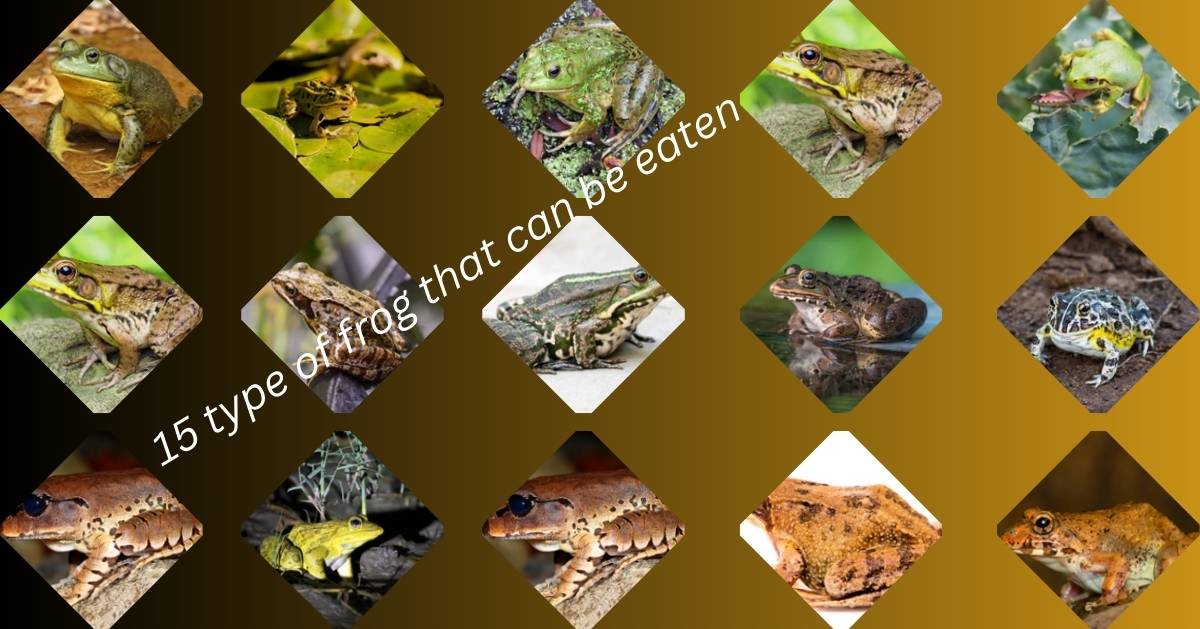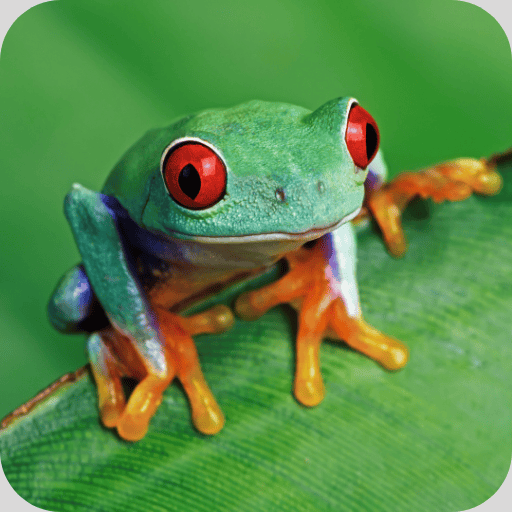

1. American Bullfrog (Lithobatrachus catesbeianus)

The American Bullfrog is the largest frog species native to the United States, recognized for its loud and deep mating call. This powerful amphibian thrives in warm freshwater habitats and is known for its aggressive feeding behavior and ability to adapt to various environments.
Identification
- Smooth back with no dorsolateral ridges
- Large tympanum; in males the tympanum is larger than the eye
- Heavy, muscular legs ideal for jumping and swimming
Habitat - Large body size (males 3.6–6 inches; females slightly larger)
- Green to olive-brown coloration
- Yellow throat in adult males
Diet
Behavior
Bullfrogs are mostly nocturnal. Males call loudly during the breeding season and defend their calling spots. They are strong swimmers and highly territorial.
Breeding & Life Cycle
Breeding occurs in late spring to early summer. Females lay thousands of eggs in floating masses. Tadpoles may take one to two years to become adult frogs.
Distribution in the USA
Found in eastern, southern, and central USA. Also introduced to western states where they are now common.
Conservation Status
Not endangered. But in western states, they are considered an invasive species because they outcompete native frogs.
What Are the Benefits of Eating American Bullfrog Frogs?
Bullfrog meat is rich in protein, low in fat, and contains essential minerals like potassium and phosphorus. It is easy to digest and widely used in cooking for its mild flavor.
What Are the Harms of Eating American Bullfrog Frogs?
Wild bullfrogs may carry parasites, bacteria, or toxins from polluted water. Eating undercooked meat increases the risk of infection. Some regions have frogs with heavy metal contamination. Excessive harvesting can also disturb ecosystems. Always choose clean, farm-raised, and fully cooked meat.
Where Does the American Bullfrog Live?
The American Bullfrog lives mainly in warm, permanent freshwater habitats. They prefer areas with shallow water and thick vegetation, where they can hide easily and hunt for prey. Typical places include ponds, lakes, swamps, marshes, slow-moving rivers, irrigation canals, and farm ponds. They often stay close to the water’s edge and rarely move far from water. Because of their adaptability, bullfrogs can thrive in natural, rural, and even urban environments, as long as a steady water source is available.
2. Green Frog (Lithobates clamitans)

The Green Frog is one of the most common frog species in the United States, easily recognized by its green to brown coloration and distinct ridge running along each side of its back. It lives in a wide range of freshwater habitats and is known for its loud “banjo-like” call.
Identification
- Medium-sized frog (2.3–4 inches)
- Green or brown skin with darker spots
- Prominent dorsolateral ridges running from eyes down the back
- Large round tympanum (in males larger than the eye)
- Partially webbed hind feet
- White or yellowish belly
- Strong, muscular legs for jumping
Habitat
Green Frogs prefer freshwater environments such as ponds, lakes, marshes, slow-moving streams, and swampy areas. They are commonly seen resting along the edges of water bodies and quickly jump into water when disturbed. They can also adapt to man-made water sources like garden ponds and reservoirs.
Diet
Green Frogs are opportunistic feeders. Their diet includes insects, spiders, small fish, crustaceans, worms, tadpoles, and occasionally other small amphibians. They use a sit-and-wait hunting strategy and rely on quick strikes to catch prey.
Behavior
These frogs are active during both day and night but are most vocal during warm evenings. Their call is a distinctive “gunk!” sound, similar to plucking a banjo string. Males become territorial during the breeding season and defend prime calling spots.
Breeding & Life Cycle
Breeding occurs in late spring and early summer. Females lay clusters of eggs on the water surface. Tadpoles usually take 1 year to transform but may overwinter in colder regions. Juveniles resemble adults but are smaller and more delicately patterned.
Distribution in the USA
Green Frogs are native to the eastern and central United States. Their range extends from the southeastern states up through the Northeast and into parts of the Midwest. They are commonly found near almost any freshwater source.
Conservation Status
Green Frogs are not endangered. They are abundant and stable across most of their range. However, habitat destruction and water pollution can affect local populations.
What Are the Benefits of Eating Green Frog Frogs?
Green Frog meat is known for being lean, tender, and high in protein. It contains essential nutrients such as potassium, iron, and phosphorus, which support muscle function, energy production, and overall health. Their meat is low in fat and calories, making it a healthier alternative to many red meats. Some cultures value frog meat for its delicate flavor and easy digestibility.
What Are the Harms of Eating Green Frog Frogs?
Eating wild Green Frogs can carry risks if the frogs come from polluted water or are not cooked properly. They may carry parasites, bacteria like Salmonella, or harmful chemicals absorbed from their environment. Undercooked or improperly cleaned frog meat may lead to stomach infections or foodborne illnesses. Additionally, overharvesting in some regions can harm local ecosystems and reduce natural frog populations.
Where Does the Green Frog Live?
Green Frogs live in permanent freshwater environments, including ponds, lakes, marshes, bogs, and slow-flowing streams. They stay near the water’s edge and enjoy areas with abundant vegetation for shelter and hunting. Because they adapt well, they can also be found in artificial habitats like garden ponds, roadside ditches, and reservoirs.
3. Northern Leopard Frog (Lithobates pipiens)

The Northern Leopard Frog is a beautifully patterned frog found across much of the northern United States. It is easily identified by its distinct dark oval spots, which give it a leopard-like appearance. This species prefers cool, clean water habitats and is known for its long-distance jumping ability.
Identification
- Medium-sized frog
- Green or brown body with large dark oval spots
- Light-colored ring around each spot
- White or cream-colored belly
- Long, powerful legs for jumping
- Smooth skin texture
- Narrow ridges running down each side of the back
Habitat
Northern Leopard Frogs inhabit cool freshwater environments such as ponds, marshes, slow-flowing rivers, meadows near water, and grassy wetlands. They prefer clear water and open areas rather than densely forested habitats. During summer, they often migrate into grassy fields but return to water when breeding season starts.
Diet
Their diet includes insects, spiders, small fish, worms, snails, slugs, and other small invertebrates. They are active hunters and often chase prey instead of waiting quietly like many other frog species.
Behavior
Northern Leopard Frogs are known for their agility and fast movement. They can jump long distances when startled. Their call is a soft, snore-like croak. They are most active during warm, humid nights and are generally shy and quick to escape into water.
Breeding & Life Cycle
Breeding occurs in early spring, soon after ice melts. Females lay large clusters of eggs in shallow water. Tadpoles grow quickly and usually transform into juvenile frogs by late summer. In colder regions, some tadpoles may overwinter and become frogs the following year.
Distribution in the USA
They are found across the northern United States, including the Midwest, Northern Plains, Pacific Northwest, and parts of the Northeast. They also extend into Canada and are one of the most widespread frog species in North America.
Conservation Status
Northern Leopard Frog populations are declining in some regions due to habitat loss, pollution, drought, and disease. However, they remain common in many areas and are not globally endangered.
What Are the Benefits of Eating Northern Leopard Frog Frogs?
Northern Leopard Frog meat is rich in protein and contains low levels of fat, making it a healthy source of animal protein. It also provides minerals such as potassium, iron, and phosphorus, which help maintain muscle strength, blood health, and energy production. The meat is tender, mild in flavor, and easy to digest, making it popular in certain cuisines.
What Are the Harms of Eating Northern Leopard Frog Frogs?
Wild Northern Leopard Frogs may contain parasites, bacteria, or environmental toxins if collected from polluted water sources. Eating undercooked or improperly cleaned frog meat can cause stomach infections, food poisoning, or digestive issues. Overharvesting can also negatively impact populations in areas where they are already declining, posing ecological risks.
Where Does the Northern Leopard Frog Live?
Northern Leopard Frogs live in cool freshwater environments such as ponds, lakes, marshes, slow streams, grassy wetlands, and open meadows near water. They prefer clean, unpolluted water and often spend part of the summer in grasslands before returning to water sources for breeding.
4. Southern Leopard Frog (Lithobates sphenocephalus)

The Southern Leopard Frog is a medium-sized frog native to the southern United States. It is known for its distinctive dark spots on a green or brown background, which resemble a leopard’s pattern. This species thrives in warm, humid environments and is commonly found near water sources.
Identification
- Size: 2–3.5 inches
- Green or light brown body with dark, irregular spots
- Light-colored dorsolateral ridges along the back
- White or yellowish belly
- Long, muscular legs suitable for jumping
- Smooth, moist skin
- Dark eye stripe extending from the nostril to the tympanum
Habitat
Southern Leopard Frogs are typically found in freshwater habitats such as ponds, marshes, streams, ditches, and wet meadows. They prefer areas with abundant vegetation for hiding and shallow water for breeding. They can also adapt to man-made environments like irrigation canals and farm ponds.
Diet
Their diet includes insects, spiders, worms, small crustaceans, tadpoles, and occasionally smaller frogs. They are active hunters and may pursue prey rather than waiting in ambush.
Behavior
These frogs are mostly nocturnal but can also be active during the day in warm, humid conditions. Their call is a loud, snore-like croak, often described as a “chuck-chuck” sound. Males are territorial during breeding season and defend calling sites.
Breeding & Life Cycle
Breeding occurs in early spring through summer. Females lay egg clusters in shallow water. Tadpoles develop quickly in warm southern climates and typically transform into juvenile frogs within a few months.
Distribution in the USA
The Southern Leopard Frog is found throughout the southeastern United States, including Texas, Florida, Louisiana, and up to southern states of the Midwest. They prefer warmer climates than the Northern Leopard Frog.
Conservation Status
The species is not considered endangered and populations are generally stable. Habitat loss and water pollution may affect local populations.
What Are the Benefits of Eating Southern Leopard Frog Frogs?
Southern Leopard Frog meat is high in protein and low in fat. It provides essential minerals like potassium, iron, and phosphorus. The meat is tender, easy to cook, and has a mild flavor, making it suitable for soups, stir-fries, and other culinary uses. Its low-calorie content also makes it a healthy alternative to red meat.
What Are the Harms of Eating Southern Leopard Frog Frogs?
Wild Southern Leopard Frogs may carry parasites, bacteria, or toxins from polluted water sources. Eating undercooked or improperly cleaned meat can lead to foodborne illnesses. Overharvesting in some areas can disturb local ecosystems. People with allergies to seafood or amphibians may have adverse reactions.
Where Does the Southern Leopard Frog Live?
Southern Leopard Frogs live in warm freshwater habitats such as ponds, marshes, slow streams, and wet meadows. They prefer shallow water with abundant vegetation and nearby open land for foraging. They are commonly found in both natural and man-made water environments in the southern United States.
5. Wood Frog (Lithobates sylvaticus)

The Wood Frog is a medium-sized frog native to the northern United States and Canada. It is known for its unique ability to survive freezing temperatures during winter. Wood Frogs have a distinctive dark “mask” across their eyes and are often found in forested wetlands and ponds.
Identification
- Size: 1.5–3 inches
- Tan, brown, or reddish body color
- Dark eye stripe (mask) from snout through the eye
- Smooth skin with light-colored belly
- Long legs suitable for jumping
- No prominent dorsolateral ridges
- Small, rounded tympanum
Habitat
Wood Frogs inhabit forests, wooded wetlands, ponds, and marshes. They prefer areas with leaf litter and shallow water for breeding. They are commonly found in northern forests and often migrate to temporary vernal pools in early spring to lay eggs.
Diet
Wood Frogs are opportunistic feeders, eating insects, spiders, worms, slugs, and small invertebrates. They are active hunters during the day and night.
Behavior
Wood Frogs are unique for their freeze tolerance, allowing them to survive winter by freezing solid and thawing in spring. They are most active in early spring and during rainy periods. Their call is a short, nasal “quack” sound.
Breeding & Life Cycle
Breeding occurs in early spring as soon as ice melts. Females lay clusters of eggs in temporary pools. Tadpoles develop quickly during spring and summer, transforming into juveniles in a few months.
Distribution in the USA
Found throughout the northern United States, including New England, the Great Lakes region, and parts of the Midwest. They also extend into Canada.
Conservation Status
Wood Frogs are not endangered. They are abundant across their range, though habitat destruction can impact local populations.
What Are the Benefits of Eating Wood Frog Frogs?
Wood Frog meat is high in protein and low in fat, making it a healthy dietary option. It provides essential minerals like potassium, calcium, and iron. The mild flavor and tender texture make it suitable for soups, stir-fries, and grilled dishes. It is also easily digestible, which is ideal for people with sensitive stomachs.
What Are the Harms of Eating Wood Frog Frogs?
Eating wild Wood Frogs can carry risks if the frogs are from polluted water sources. They may contain parasites, bacteria, or environmental toxins. Undercooked or improperly cleaned meat can cause digestive problems or infections. Overharvesting may also impact local populations, though Wood Frogs are generally abundant.
Where Does the Wood Frog Live?
Wood Frogs live in forests and wetlands with access to temporary pools or shallow ponds for breeding. They prefer leaf-littered forest floors for camouflage and hibernation during winter. These frogs are adapted to survive in cold northern climates and are often among the first frogs to emerge in spring.
6. Pickerel Frog (Lithobates palustris)

The Pickerel Frog is a medium-sized frog native to the eastern United States. It is easily recognized by its rectangular dark spots arranged in two rows along its back. This species prefers cool, clear water habitats and is known for its mildly toxic skin secretions, which help protect it from predators.
Identification
- Size: 1.5–3 inches
- Light brown or tan body with two parallel rows of dark rectangular spots
- Bright yellow or orange coloration on inner thighs
- Smooth skin texture
- Long legs adapted for jumping
- Distinct light-colored dorsolateral ridges along the back
- Small tympanum relative to eye size
Habitat
Pickerel Frogs are found in cool, clear streams, ponds, and marshes. They prefer habitats with abundant aquatic vegetation and clean, unpolluted water. They are often found partially submerged along the edges of water bodies and occasionally venture into nearby grassy areas.
Diet
Pickerel Frogs feed on insects, spiders, worms, snails, and other small invertebrates. They are active hunters, using their keen eyesight and quick reflexes to capture prey.
Behavior
These frogs are mostly nocturnal but may be active during the day in cooler temperatures. They produce a low, snore-like call during the breeding season. Their skin secretions are mildly toxic to predators, making them less likely to be eaten by other animals.
Breeding & Life Cycle
Breeding occurs in early spring in shallow water. Females lay clusters of eggs attached to vegetation. Tadpoles develop in 2–3 months, depending on temperature and water conditions, and transform into juvenile frogs during summer.
Distribution in the USA
Pickerel Frogs are widespread in the eastern United States, from the Great Lakes region down to the Gulf Coast. They are common in both forests and open wetland areas.
Conservation Status
Pickerel Frogs are not endangered and are considered stable throughout their range. Local populations may be affected by water pollution and habitat destruction.
What Are the Benefits of Eating Pickerel Frog Frogs?
Pickerel Frog meat is lean, high in protein, and low in fat, making it a healthy source of dietary protein. It contains essential minerals such as potassium, calcium, and iron. Its mild flavor and tender texture make it suitable for soups, stir-fries, and other dishes. Properly prepared, it can be a nutritious addition to a balanced diet.
What Are the Harms of Eating Pickerel Frog Frogs?
Although edible, Pickerel Frogs produce mild toxins in their skin, which must be removed during preparation. Eating wild-caught frogs from polluted water can pose risks of parasites, bacteria, or chemical contamination. Undercooked or improperly cleaned meat may cause digestive problems or foodborne illness. Overharvesting can also negatively affect local frog populations.
Where Does the Pickerel Frog Live?
Pickerel Frogs live in cool freshwater habitats, including streams, ponds, and marshes with clear water and aquatic vegetation. They favor shaded areas and partially submerged locations for hiding and hunting. They are mainly found in eastern forests and wetlands, often remaining near water year-round.
7. Cope’s Gray Treefrog (Hyla chrysoscelis)

Cope’s Gray Treefrog is a small, arboreal frog native to the eastern United States. It is famous for its ability to change color from gray to green depending on temperature, humidity, and background. This species is known for its high-pitched, rapid trill call during the breeding season.
Identification
- Size: 1–2 inches
- Gray or green coloration, often mottled
- Small, round toe pads for climbing
- No prominent dorsolateral ridges
- White or cream-colored belly
- Males are smaller than females
Habitat
Cope’s Gray Treefrogs are found in forests, woodlands, wetlands, and suburban areas. They prefer areas with plenty of trees, shrubs, and vegetation, often resting on leaves or tree trunks. They require water bodies for breeding but spend most of their time in trees.
Diet
These frogs primarily feed on small insects, spiders, and other invertebrates. Their climbing ability allows them to hunt prey on leaves, branches, and even in low vegetation.
Behavior
Cope’s Gray Treefrogs are nocturnal and excellent climbers. Their color-changing ability helps them camouflage with their surroundings. During the breeding season, males produce a high-pitched, rapid trill to attract females. They are mostly solitary outside of breeding periods.
Breeding & Life Cycle
Breeding occurs in late spring to early summer, often in temporary pools or shallow ponds. Females lay clusters of eggs attached to vegetation or submerged surfaces. Tadpoles typically develop into juveniles within 2–3 months.
Distribution in the USA
Cope’s Gray Treefrogs are found in the eastern United States, from the Midwest to the Atlantic coast and from the Gulf states up to the Great Lakes region.
Conservation Status
This species is not endangered and is generally abundant. However, habitat destruction and pollution can negatively impact local populations.
What Are the Benefits of Eating Cope’s Gray Treefrog Frogs?
Although small, Cope’s Gray Treefrog meat is high in protein and low in fat. It provides essential minerals like potassium, iron, and phosphorus. Its mild flavor and tender texture make it a nutritious option for soups or small dishes. Being low in calories, it is suitable for a healthy diet.
What Are the Harms of Eating Cope’s Gray Treefrog Frogs?
Because they are small, Cope’s Gray Treefrogs are rarely eaten in large quantities. Wild individuals may carry parasites or bacteria if taken from polluted water sources. Improper preparation can lead to digestive issues. Overharvesting could affect local populations due to their smaller size and lower meat yield.
Where Does the Cope’s Gray Treefrog Live?
Cope’s Gray Treefrogs live in forests, woodlands, and wetlands, often high on tree trunks, branches, or shrubs. They require access to temporary or permanent water bodies for breeding. They are adaptable and can also be found in suburban gardens and parks with suitable vegetation
8. Gray Treefrog (Hyla versicolor)

The Gray Treefrog is a small tree-dwelling frog native to the eastern United States. It is nearly identical in appearance to Cope’s Gray Treefrog but has a slightly slower trill call. Like its relative, it can change color from gray to green depending on environmental conditions.
Identification
- Size: 1–2 inches
- Gray, green, or mottled coloration
- Rough, warty skin texture
- Small, round toe pads for climbing
- No prominent dorsolateral ridges
- White or pale-colored belly
- Males are smaller than females
Habitat
Gray Treefrogs are found in forests, wetlands, woodlands, and suburban areas. They prefer areas with abundant trees, shrubs, and vegetation. They often rest on leaves, tree trunks, or bushes during the day and are active at night.
Diet
They feed primarily on insects, spiders, and other small invertebrates. Their climbing ability allows them to hunt prey in trees and shrubs as well as on the ground.
Behavior
Gray Treefrogs are nocturnal and excellent climbers. Their color-changing ability helps them camouflage. Males produce a soft, slow trill during breeding season to attract females. Outside breeding, they are solitary and avoid confrontation.
Breeding & Life Cycle
Breeding occurs in late spring to early summer, usually in temporary pools, ponds, or small wetlands. Females lay eggs on vegetation or submerged surfaces. Tadpoles transform into juveniles within 2–3 months.
Distribution in the USA
Gray Treefrogs are widespread in the eastern United States, from the Midwest to the Atlantic Coast and north to the Great Lakes. They coexist with Cope’s Gray Treefrogs, though their ranges overlap only in some regions.
Conservation Status
The species is not endangered and is generally abundant. Local populations can be affected by habitat destruction and water pollution.
What Are the Benefits of Eating Gray Treefrog Frogs?
Gray Treefrog meat is high in protein and low in fat, making it a healthy source of nutrition. It contains minerals like potassium, iron, and phosphorus. The meat is tender and mild in flavor, suitable for soups or small dishes. It is easily digestible and low in calories.
What Are the Harms of Eating Gray Treefrog Frogs?
Wild Gray Treefrogs may carry parasites or bacteria, especially if collected from polluted water. Improper cleaning or undercooked meat can lead to digestive problems or infections. Overharvesting could impact local populations, although they are currently abundant.
Where Does the Gray Treefrog Live?
Gray Treefrogs live in forests, wetlands, and woodlands with plenty of trees, shrubs, and vegetation. They are arboreal, often resting on leaves, branches, or tree trunks. They require nearby water bodies for breeding but spend most of their time off the ground.
9. Spring Peeper (Pseudacris crucifer)

The Spring Peeper is a tiny frog native to the eastern United States, famous for its loud, high-pitched peeping call during early spring. Despite its small size, it plays a crucial role in wetland ecosystems as both predator and prey.
Identification
- Size: 0.75–1.5 inche
- Light brown, tan, or gray coloration
- Distinctive dark “X” mark on the back
- Smooth skin texture
- Small toe pads for climbing
- Cream-colored belly
- Males slightly smaller than females
Habitat
Spring Peepers are found in forests, wetlands, marshes, ponds, and wooded areas. They prefer areas near shallow water or vernal pools for breeding. During the non-breeding season, they hide in leaf litter or low vegetation.
Diet
They feed primarily on small insects, spiders, and other tiny invertebrates. Their small size limits them to very small prey, which they catch using quick strikes.
Behavior
Spring Peepers are nocturnal and highly vocal during the breeding season, producing a loud peeping sound that can carry over long distances. Outside breeding, they remain hidden under leaves or debris to avoid predators.
Breeding & Life Cycle
Breeding occurs in early spring, often when ice is still present on ponds. Females lay eggs singly or in small clusters attached to submerged vegetation. Tadpoles develop within a few weeks to months, depending on temperature, and transform into juveniles by late spring or summer.
Distribution in the USA
Spring Peepers are widespread in the eastern United States, including New England, the Midwest, and the Southeast. They are one of the first frogs to emerge in spring, giving them their name.
Conservation Status
Spring Peepers are not endangered and are abundant across their range. Local populations may be affected by wetland loss and pollution.
What Are the Benefits of Eating Spring Peeper Frogs?
Though very small, Spring Peepers are high in protein and low in fat. Their meat contains essential minerals like potassium and iron. They can be used in soups or small dishes, and are easy to digest due to their tender texture.
What Are the Harms of Eating Spring Peeper Frogs?
Due to their tiny size, Spring Peepers are rarely consumed as food. Wild individuals may carry parasites or bacteria, especially if collected from polluted water. Improper cleaning or undercooked meat can cause foodborne illness. Overharvesting could negatively impact local populations and ecosystems.
Where Does the Spring Peeper Live?
Spring Peepers live in forests, wetlands, marshes, and ponds, often near shallow water for breeding. They hide in leaf litter, low vegetation, or moss when not active. These frogs are adapted to cold and temperate climates and are among the earliest frogs to become active each year.
10. Pacific Treefrog (Pseudacris regilla)

The Pacific Treefrog is a small frog native to the western United States. It is easily recognized by its distinct dark eye stripe and its ability to change color from green to brown for camouflage. This species is very common and often heard calling in gardens, ponds, and wetlands.
Identification
- Size: 1–2 inches
- Green, brown, or gray coloration
- Distinct dark stripe through the eye extending to the shoulder
- Smooth, moist skin
- Small toe pads for climbing
- White or pale belly
- Males smaller than females
Habitat
Pacific Treefrogs are found in forests, grasslands, wetlands, ponds, and suburban areas. They prefer areas with vegetation for climbing and hiding and need nearby water sources for breeding. They are highly adaptable and can live in both natural and man-made environments.
Diet
These frogs feed on insects, spiders, and other small invertebrates. They hunt primarily at night and are skilled climbers, catching prey from both the ground and low vegetation.
Behavior
Pacific Treefrogs are mostly nocturnal and very vocal during the breeding season. Males produce a distinctive “ribbit” call, famous as the stereotypical frog sound in movies. They are excellent climbers and use their toe pads to cling to leaves, stems, and other surfaces.
Breeding & Life Cycle
Breeding occurs in late winter through spring. Females lay clusters of eggs attached to vegetation in shallow water. Tadpoles develop in 1–3 months, depending on water temperature, and transform into juveniles by early summer.
Distribution in the USA
Pacific Treefrogs are widespread along the western United States, from California to Washington and parts of Oregon. They are common in forests, wetlands, and urban areas with suitable water sources.
Conservation Status
The species is not endangered and is abundant throughout its range. Habitat loss and pollution may impact local populations, but overall, they are highly adaptable and resilient.
What Are the Benefits of Eating Pacific Treefrog Frogs?
Pacific Treefrog meat is high in protein and low in fat. It contains essential minerals such as potassium, calcium, and iron. The mild flavor and tender texture make it suitable for soups, stir-fries, and other dishes. Its low-calorie and easily digestible nature make it a healthy alternative to other meats.
What Are the Harms of Eating Pacific Treefrog Frogs?
Eating wild Pacific Treefrogs carries potential risks if the frogs are from polluted water sources. They may contain parasites, bacteria, or environmental toxins. Improper cleaning or undercooked meat can cause foodborne illness. Overharvesting can also disturb local populations and ecosystems.
Where Does the Pacific Treefrog Live?
Pacific Treefrogs live in forests, grasslands, wetlands, ponds, and suburban gardens. They require vegetation for climbing and hiding and need nearby water for breeding. Their adaptability allows them to thrive in both natural habitats and human-altered landscapes across the western Uni