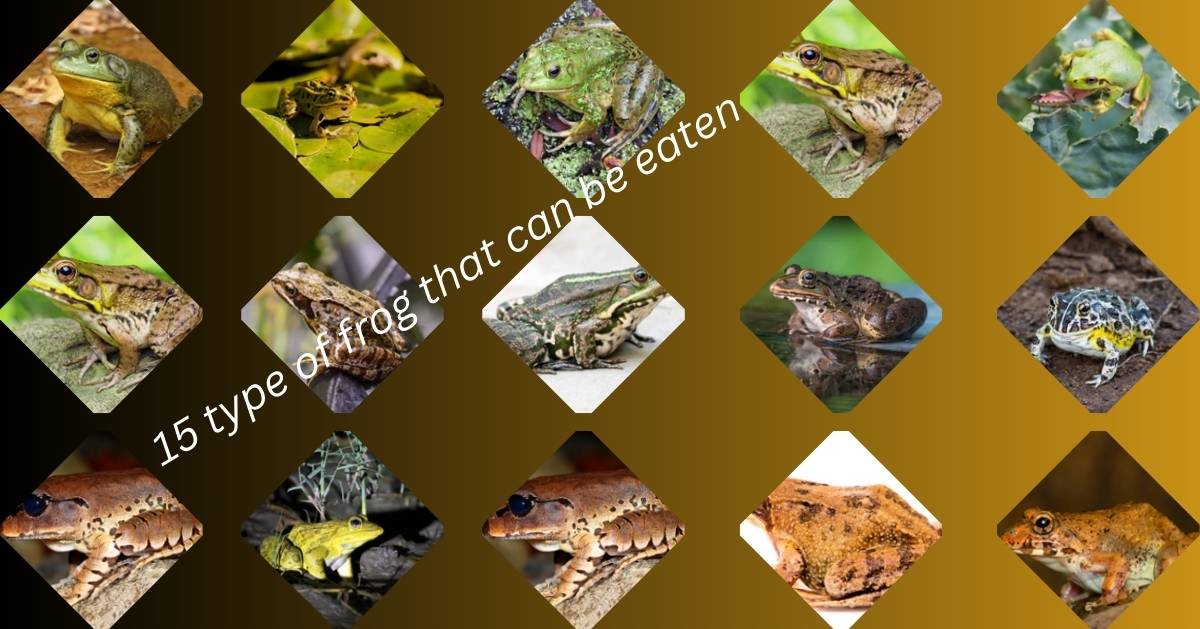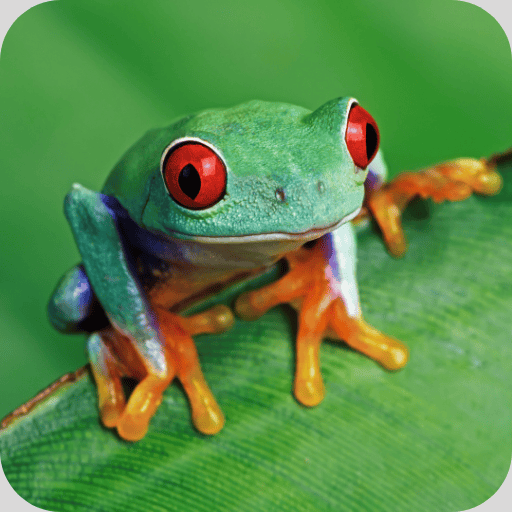

1. Chinese Giant Frog (Short Overview)

The Chinese Giant Frog is one of China’s largest amphibian species, commonly found in cool mountain streams and forested regions. It plays an important ecological role and is known for its strength, impressive jumping ability, and sensitivity to clean water habitats.
Identification
- Large, muscular body
- Smooth brown/olive skin
- Powerful hind legs
- Broad head with prominent eyes
- Webbed toes for efficient swimming
Habitat
This frog prefers fast-flowing mountain streams, rocky riverbanks, forest edges, and cool freshwater ponds. They stay close to clean water because they require high oxygen levels for survival.
Diet
They feed on insects, beetles, larvae, worms, small fish, aquatic insects, and sometimes even small amphibians.
Behavior
The Chinese Giant Frog is mostly nocturnal, staying hidden under rocks or vegetation during the day. It becomes active at night, hunting for food with quick movements and strong jumps. During cold seasons, it may become less active and hide in warm crevices.
Breeding Season
Breeding usually happens in late spring to early summer. Males gather near shallow streams and produce a loud call to attract females. Females lay eggs in jelly-like clusters, which attach to underwater plants or rocks until they hatch.
Life Cycle
The lifecycle includes egg → tadpole → young frog → adult frog. Tadpoles grow in clean, slow-moving water and take several weeks to transform into froglets depending on temperature and food availability.
Predators
Its natural predators include:
- Snakes
- Birds
- Larger fish
- Small mammals
Because of this, the frog relies on camouflage and fast jumping to escape danger.
Conservation Status
The species is facing threats due to water pollution, habitat destruction, and over-collection in some regions. Protecting clean freshwater ecosystems is crucial for its survival.
Role in the Ecosystem
This frog helps control insect populations and serves as prey for larger animals, making it an important part of China’s mountain stream ecosystem.
Interesting Facts
Known for producing a very loud mating call.
Highly sensitive to pollution, making it a bio-indicator of clean water.
In many Asian regions, including China, the Chinese Giant Frog is considered a nutritious delicacy. Its meat is known for being soft, protein-rich, and low in fat, making it a healthy choice for many people. It provides essential amino acids that help build muscle and repair body tissues. Frog meat is also rich in vitamins and minerals such as vitamin A, vitamin B12, iron, and potassium, which support overall body functions.
Some people believe that the Chinese Giant Frog has medicinal benefits, such as improving energy, strengthening bones, and aiding digestion. Traditional Chinese medicine often uses frog meat and skin for boosting immunity and reducing fatigue. Because the meat is easily digestible, it is preferred by people looking for a high-protein yet light meal.
Additionally, Chinese Giant Frog meat contains omega-3 fatty acids, which support heart health and help reduce inflammation. Its low-fat content makes it suitable for people who want to maintain a healthy diet. Overall, eating Chinese Giant Frog is seen as beneficial due to its nutrient density, medicinal value, and high-quality protein.
Although the Chinese Giant Frog is considered nutritious, eating it can also have potential risks if not handled or prepared properly. One major concern is water pollution. Since these frogs live in streams, rivers, and ponds, they may absorb heavy metals, pesticides, or harmful chemicals from contaminated water. Consuming such frogs can expose humans to toxins that may affect the liver, kidneys, or digestive system.
What Are the Harms of Eating Chinese Giant Frog?
Another health risk comes from parasites and bacteria commonly found in wild amphibians. If the frog meat is undercooked or improperly cleaned, it may contain parasites like tapeworms or harmful bacteria such as salmonella, leading to stomach infections, diarrhea, or food poisoning. Proper cooking is essential to avoid these issues.
Some people may also experience allergic reactions to frog meat, especially if they have allergies to other amphibians or seafood. Symptoms may include itching, swelling, or digestive discomfort. Additionally, excessive or frequent consumption can lead to high cholesterol intake, depending on the preparation method (such as deep frying).
There is also an environmental concern: over-harvesting Chinese Giant Frogs from the wild can contribute to population decline, disrupting local ecosystems. This makes consumption unsustainable in certain regions.
Overall, the harms of eating Chinese Giant Frog mainly come from pollution exposure, parasites, allergies, improper cooking, and environmental impact, so caution and proper sourcing are important.
Where Does the Chinese Giant Frog Live?
The Chinese Giant Frog is mainly found in southern and southwestern China, especially in regions with clean, cool freshwater systems. It prefers mountainous and forested areas, where the environment stays moist and shaded throughout the year. These frogs live close to fast-flowing mountain streams, rocky riverbanks, forest ponds, and freshwater springs.
They typically inhabit areas between 500 to 2,000 meters above sea level, where the temperature is mild and the water remains cold and oxygen-rich. The rocky surroundings provide hiding places, while the flowing water helps maintain a healthy environment for breeding and feeding.
This species avoids polluted, stagnant, or warm water bodies because they are highly sensitive to environmental changes. As a result, the presence of the Chinese Giant Frog is often considered an indicator of a healthy, unpolluted ecosystem. They thrive in places with abundant vegetation, which offers shelter during the daytime and helps maintain moisture levels.
Overall, the Chinese Giant Frog lives in clean, cool, mountainous freshwater habitats, especially in forest regions with plenty of rocks, plants, and flowing water.
2. Chinese Bullfrog (Short Overview)

The Chinese Bullfrog is a large and powerful amphibian species widely found across central, southern, and eastern China. Known for its deep croaking sound and impressive jumping ability, this frog thrives in warm freshwater habitats. It plays an important role in maintaining ecological balance by controlling insect populations and serving as prey for larger wildlife.
Identificatio
Medium to large body siz
- Smooth or slightly rough greenish-brown skin
- Medium to large body size
- Strong and muscular hind legs
- Wide mouth with a broad head
- Distinctive dark patches on the body
- Partially webbed feet designed for swimming
Habitat
The Chinese Bullfrog is commonly found in rice fields, wetlands, marshes, slow-moving rivers, ponds, irrigation canals, and agricultural water bodies. Unlike mountain-dwelling frogs, this species prefers warm, stagnant, or slow-flowing freshwater habitats found in lowland areas. It hides in grasses, mud banks, or vegetation near water.
Diet
This frog mainly feeds on insects, earthworms, spiders, aquatic invertebrates, small fish, tadpoles, and sometimes even smaller frogs. Its powerful jaw helps it catch fast-moving prey with ease.
Behavior
The Chinese Bullfrog is active both day and night, but becomes more active during warm evenings. It reacts quickly to movement, leaping long distances to escape predators. During the dry season, it may burrow into moist soil to prevent dehydration.
Breeding Season
Breeding usually takes place during late spring and early summer when the rains begin. Males produce a deep, loud croaking sound to attract females. Females lay eggs in large floating clusters, which stick together on the water surface. Tadpoles grow rapidly in warm shallow waters.
Life Cycle
The species follows the typical amphibian life cycle: egg → tadpole → young frog → adult. Tadpoles of the Chinese Bullfrog are fast swimmers and can grow quickly due to the nutrient-rich environment of rice fields and wetlands.
Predators
Natural predators include:
- Snakes
- Birds
- Fish
- Monitor lizards
- Small mammals
The frog uses quick jumps, camouflage, and hiding spots to protect itself.
Conservation Status
Although widespread, the Chinese Bullfrog faces threats from habitat loss, agricultural chemicals, pollution, and over-harvesting for food markets. Sustainable harvesting and clean water protection are essential for its long-term survival.
Role in the Ecosystem
This frog helps manage insect populations, especially mosquitoes and crop pests, making it beneficial for agriculture. It also provides a food source for larger animals, contributing to wetland biodiversity.
Interesting Facts
- What Are the Benefits of Eating Chinese Bullfrog?
- Known for its loud, deep croaking that can be heard from far distances.
- Frequently found in rice fields, where it helps control pests.
- One of the fastest leaping frogs in China.
- Highly adaptable to human-modified environments.
The Chinese Bullfrog is considered a popular food item in many parts of China due to its high-protein, low-fat meat. It contains essential amino acids, vitamins like B12 and A, and minerals such as iron, calcium, and potassium. Some people believe it supports muscle growth, boosts energy, and improves digestion. Traditional practices also consider bullfrog meat beneficial for reducing fatigue and strengthening immunity.
What Are the Harms of Eating Chinese Bullfrog?
Like other wild frogs, the Chinese Bullfrog may carry parasites, bacteria, and environmental toxins if collected from polluted areas. Undercooked meat can cause stomach issues, infections, or allergic reactions. Additionally, over-harvesting for food can reduce the wild population, harming the ecosystem. Proper cooking and sourcing are important for safety.
Where Does the Chinese Bullfrog Live?
This species lives in lowland freshwater habitats across China, including marshes, ponds, rice fields, lakes, wetlands, and calm riverbanks. It thrives in warm climates and avoids cold mountainous regions. Areas with thick vegetation and abundant insects are ideal for its survival.
3. Asiatic Grass Frog (Short Overview)

The Asiatic Grass Frog is a common amphibian species found across China’s plains, grasslands, and agricultural regions. Known for its agility, slim body, and ability to survive in a wide range of environments, this frog is one of the most widespread species in East Asia. Its adaptability and large population make it an important contributor to controlling insect pests in nature and farming areas.
Identification
- Medium-sized, slender body
- Smooth light-brown or greenish skin
- Dark stripes or patterns along the back
- Long, thin hind legs for quick jumping
- Narrow head with round, noticeable eyes
- Partially webbed feet
Habitat
The Asiatic Grass Frog thrives in grasslands, rice fields, farmlands, village ponds, roadside ditches, marshes, and shallow wetlands. It prefers open, grassy areas with easy access to water. Because it can tolerate a variety of environmental conditions, this frog is commonly found near human settlements and agricultural zones.
Diet
This frog feeds primarily on mosquitoes, beetles, caterpillars, flies, worms, small spiders, and other soft-bodied invertebrates. In wetlands, it may also eat tadpoles and small aquatic insects. Its diet makes it extremely valuable for natural pest control.
Behavior
The Asiatic Grass Frog is active mostly at night (nocturnal), though it may also move around during rainy days. It is cautious and quick, jumping long distances when threatened. During the dry season, it often hides in grass roots, soil holes, or under leaves to maintain moisture.
Breeding Season
Breeding occurs during spring and early summer, especially after rainfall. Males gather around shallow ponds and produce a short, repetitive croaking call to attract females. Females lay eggs in gelatinous clusters, which float on water surfaces or attach to plants. Tadpoles grow quickly in warm shallow water.
Life Cycle
Its life cycle includes egg → tadpole → metamorph → adult frog. Tadpoles of the Asiatic Grass Frog are fast-growing and adapt well to both natural and artificial water bodies like rice fields and ditches. Transformation into froglets usually takes a few weeks depending on temperature and nutrition.
Predators
Natural predators include:
- Birds
- Snakes
- Fish
- Larger frogs
- Mammals like weasels
Because of its small size, the Asiatic Grass Frog relies heavily on speed and camouflage to survive.
Conservation Status
The species is not currently threatened due to its wide distribution and strong adaptability. However, local populations may be impacted by pesticides, pollution, habitat loss, and agricultural chemicals. Clean water sources and pesticide-free farming areas help sustain healthy populations.
Role in the Ecosystem
The Asiatic Grass Frog is a crucial predator of insects, especially in farmlands. It helps control mosquitoes, crop-eating insects, and pests, supporting both ecosystems and agriculture. In turn, it serves as prey for many larger animals, keeping the food chain balanced.
Interesting Facts
- One of the most widespread frog species in East Asia.
- Of n found near rice fields where it helps control crop pests.
- Can survive in both natural and human-modified habitats.
- Known for its quick, long-distance jumps.What Are the Benefits of Eating Asiatic Grass Frog?
In some regions, the Asiatic Grass Frog is consumed for its lean, protein-rich meat. It contains important nutrients such as vitamins B12 and A, minerals like iron and calcium, and essential amino acids. Some traditions suggest it helps improve digestion and energy levels. Because the meat is light and low in fat, it is considered a healthy protein source in small quantities.
What Are the Harms of Eating Asiatic Grass Frog?
Consuming wild frogs, including this species, may pose health risks if not cooked properly. The frog can carry parasites, bacteria, and environmental toxins, especially in areas affected by pesticides. Eating undercooked meat may lead to infections or digestive problems. Over-harvesting for consumption may also reduce local populations and harm ecosystems.
Where Does the Asiatic Grass Frog Live?
This species lives in grasslands, plains, farmlands, gardens, rice fields, irrigation channels, ponds, and shallow wetlands across China. It prefers areas with dense grass for hiding and access to small freshwater bodies. Because it adapts well to human environments is one of the most commonly seen frogs in rural and agricultural regions.
4. Chinese Forest Frog (Short Overview)

The Chinese Forest Frog is a well-known amphibian species native to China’s cool forests, mountain slopes, and wet woodland areas. It is valued for its ecological importance and is also famous for its use in traditional Chinese medicinal products. This frog is recognized by its moist, smooth skin and strong adaptability to high-altitude environments. It plays a key role in maintaining insect balance in forest ecosystems.
Identification
- Medium-sized frog with a sturdy body
- Smooth, moist skin with brown or reddish coloration
- Dark stripes or mottled patterns along the back
- Shorter, strong hind legs compared to grass frogs
- Large round eyes with a noticeable tympanum (ear disc)
- Slightly webbed toes suitable for damp forest floors
Habitat
The Chinese Forest Frog lives in moist forests, mountain valleys, shaded woodland streams, mossy rocks, and humid leaf litter. It prefers cool, shaded environments with constant moisture. These frogs are often found between 1,000 to 3,000 meters above sea level, especially in forested areas with running water. During dry periods, they take shelter under logs, rocks, and dense vegetation.
Diet
This frog primarily eats beetles, caterpillars, spiders, ants, worms, slugs, and various forest insects. In wetter areas, it may also consume aquatic larvae and small invertebrates. Its insect-based diet helps reduce pest populations in forest habitats.
Behavior
The Chinese Forest Frog is mostly nocturnal, becoming active at night when humidity rises. During the daytime, it hides under leaf litter, stones, or decaying wood to avoid losing moisture. It moves slowly on forest floors but can jump quickly when startled. During winter months in high-altitude regions, it may enter a period of partial hibernation in burrows or sheltered forest areas.
Breeding Season
Breeding occurs in spring and early summer, especially after rainfall. Males gather around shallow forest streams and produce soft, rhythmic calls to attract females. Females lay eggs in clusters or strings, attaching them to underwater plants or stones. Tadpoles develop in slow-moving, clear water with abundant vegetation.
Life Cycle
The frog follows the typical amphibian stages: egg → tadpole → metamorph → adult. Tadpoles of this species grow in cool forest streams and may take slightly longer to transform into young frogs due to lower temperatures at high altitudes.
Predators
Natural predators include:
- Birds of prey
- Snakes
- Forest mammals (weasels, rodents)
- Larger frogs
Their main defenses are camouflage, stillness, and quick escape jumps.
Conservation Status
Although still common in many areas, the Chinese Forest Frog faces threats from habitat destruction, excessive harvesting, deforestation, and climate change. High-altitude forests are sensitive ecosystems, and any disturbance can affect frog populations. Sustainable use and habitat protection are important for this species.
Role in the Ecosystem
The Chinese Forest Frog helps maintain a healthy balance of insects in forest environments. It also serves as prey for many forest predators, contributing to the overall food chain. Because it prefers clean, natural habitats, its presence indicates a healthy and stable forest ecosystem.
Interesting Facts
Known for its use in traditional Chinese medicine.
Lives in colder and higher regions compared to other common frogs.
Can remain active even in chilly mountain climates.
Its skin color often matches the forest floor, giving perfect camouflage
What Are the Benefits of Eating Chinese Forest Frog?
Some communities consider this frog nutritious due to its high-protein, low-fat content. It contains vitamins like B12 and A, and minerals such as calcium and iron. Certain traditional practices use Chinese Forest Frog products for boosting immunity, improving skin health, supporting energy, and enhancing respiratory strength. Because the meat is easy to digest, it is sometimes consumed as a strengthening food.
What Are the Harms of Eating Chinese Forest Frog?
Potential risks include parasites, bacteria, and environmental toxins if the frog is collected from polluted or improperly managed areas. Undercooked meat can cause digestive issues or infections. Over-harvesting for food or medicinal use can also threaten the species, especially in high-altitude ecosystems where reproduction is slower.
Where Does the Chinese Forest Frog Live?
This species lives in cool forests, high-altitude mountain valleys, mossy riverbanks, shaded woodland areas, forest streams, and humid undergrowth across central and southwestern China. It prefers damp, shaded areas with clean water sources and thick vegetation, making forest ecosystems its ideal habitat.
What Does the Chinese Giant Frog Eat?
The Chinese Giant Frog is a carnivorous amphibian that feeds on a wide range of small animals found in forest and freshwater ecosystems. Its diet mainly consists of insects, but larger frogs also hunt small fish, aquatic larvae, worms, snails, and even small crustaceans. With strong hind legs and powerful jaws, this frog can quickly ambush prey near riverbanks or in fast-flowing streams.
Juvenile frogs mostly eat mosquito larvae, small insects, and tiny aquatic organisms, which help them grow rapidly during their early stages. Adult frogs prefer larger prey because of their increased size and strength. They typically hunt at night, using their excellent vision and quick reactions to capture moving animals.
This species plays an important ecological role by controlling insect populations and maintaining balance in freshwater ecosystems. Their diet also reflects the health of their habitat—when the environment is clean and stable, Chinese Giant Frogs can easily find enough food to thrive.
5. Oriental Fire-bellied Toad (Short Overview)

The Oriental Fire-bellied Toad is a small, brightly colored amphibian native to East and Southeast Asia, including China. It is easily recognizable by its vibrant red or orange belly with black spots, which serves as a warning to predators about its mild toxicity. This toad plays an important ecological role by controlling insect populations and is also popular in the pet trade due to its striking appearance.
Identification
- Small, stout body, typically 3–5 cm long
- Bright red or orange underside with black blotches
- Olive or greenish-brown dorsal skin with small warts
- Short, strong legs suitable for hopping
- Bulging eyes with horizontal pupils
- Smooth or slightly rough texture on the back
Habitat
The Oriental Fire-bellied Toad prefers shallow freshwater bodies, rice paddies, ponds, slow-moving streams, and marshes. It is commonly found in lowland areas with abundant vegetation that provides cover and moisture. This species thrives in humid environments and is highly adaptable to both natural and human-modified habitats.
Diet
Its diet consists mainly of small insects, worms, spiders, slugs, and aquatic larvae. Fire-bellied toads are opportunistic feeders and will consume any appropriately sized invertebrate they can catch.
Behavior
The toad is mostly nocturnal, although it can be active during the day in moist or overcast conditions. When threatened, it often flattens its body and displays its bright belly as a warning signal. It is also capable of short hops to escape danger. During the colder months, it may burrow into soil or leaf litter to hibernate.
Breeding Season
Breeding occurs in spring and early summer. Males call from shallow water using a distinctive croak to attract females. Eggs are laid in jelly-like clusters attached to submerged vegetation. Tadpoles develop in calm, shallow water and metamorphose into juvenile toads within a few weeks depending on temperature and food availability.
Life Cycle
The life cycle includes egg → tadpole → juvenile → adult. Tadpoles feed on algae and small aquatic invertebrates before transforming into fully developed toads. The bright coloration appears after metamorphosis.
Predators
Natural predators include:
- Birds
- Snakes
- Larger frogs
- Small mammals
The toad’s bright belly coloration serves as a deterrent by signaling its mild toxicity to potential predators.
Conservation Status
The species is currently not endangered, due to its wide distribution and adaptability. However, local populations may face threats from habitat loss, water pollution, and over-collection for pets. Protecting wetland habitats ensures the survival of this species in the wild.
Role in the Ecosystem
The Oriental Fire-bellied Toad helps control insect populations, particularly in rice fields and wetlands. It also serves as prey for higher predators, maintaining food chain balance. Its presence indicates a relatively healthy wetland ecosystem.
Interesting Facts
- Its bright belly warns predators of mild toxicity.
- Popular as a pet due to its colorful appearance.
- Can survive in both natural and agricultural habitats.
- Short, quick hops help it escape threats efficiently.
- What Are the Benefits of Eating Oriental Fire-bellied Toad?
In some regions, the meat of this toad is considered nutritious and protein-rich, though less commonly consumed due to its small size. It contains vitamins, minerals, and essential amino acids. Traditional beliefs attribute mild health benefits such as boosting energy and aiding digestion.
What Are the Harms of Eating Oriental Fire-bellied Toad?
The Oriental Fire-bellied Toad produces mild toxins in its skin, which can cause irritation or mild poisoning if ingested raw. Improper preparation may result in stomach upset or allergic reactions. Additionally, over-harvesting for consumption or the pet trade can negatively affect local populations.
Where Does the Oriental Fire-bellied Toad Live?
This species inhabits shallow ponds, rice paddies, marshes, slow-moving streams, and wetland areas across China. It prefers areas with dense aquatic vegetation and ample cover. Being highly adaptable, it can also thrive in human-modified environments such as irrigation canals and garden ponds.
6. South China Tree Frog (Short Overview)

The South China Tree Frog is a small, arboreal amphibian commonly found in southern China’s forests and agricultural regions. Known for its climbing ability and adhesive toe pads, this species spends most of its life in trees, shrubs, and tall grasses. It plays a vital role in controlling insect populations and is an important part of forest and wetland ecosystems.
Identification
- Small, slender body, typically 2.5–4 cm long
- Smooth green or brown dorsal skin, sometimes with light stripes
- Large, round eyes with horizontal pupils
- Strong adhesive toe pads for climbing
- Short limbs adapted for hopping and climbing
- Slightly rounded snout
Habitat
The South China Tree Frog lives in forests, forest edges, shrublands, rice paddies, gardens, and wetlands. It prefers areas with abundant vegetation, where it can climb plants and trees for shelter and hunting. Water sources such as ponds, ditches, and streams are essential for breeding and maintaining skin moisture.
Diet
Its diet mainly consists of small insects, spiders, flies, beetles, and other invertebrates. As an arboreal species, it hunts on leaves, branches, and near light sources that attract insects. Its feeding habits help reduce pest populations in agricultural and forested areas.
Behavior
The South China Tree Frog is primarily nocturnal, becoming active at night when humidity is higher. It is an excellent climber and can remain motionless for long periods to avoid predators. During the day, it hides among leaves, bark, and vegetation. Tree frogs rely on camouflage and adhesive toe pads to navigate vertical surfaces safely.
Breeding Season
Breeding occurs in spring and early summer, especially after rainfall. Males call from elevated vegetation or water edges using high-pitched trills to attract females. Eggs are laid in clusters attached to leaves or stems near water, ensuring that tadpoles can drop into the water upon hatching.
Life Cycle
The life cycle follows egg → tadpole → juvenile → adult stages. Tadpoles develop in shallow freshwater, feeding on algae and small invertebrates before metamorphosing into young tree frogs. Juveniles begin climbing vegetation soon after metamorphosis.
Predators
Natural predators include:
- Snakes
- Birds
- Larger frogs
- Small mammals
The frog relies on its green coloration, small size, and quick climbing abilities to escape predation.
Conservation Status
This species is not currently endangered and is widespread in southern China. However, habitat loss, pollution, and pesticide use in farmlands and forests may negatively affect local populations. Protecting wetlands and forested areas helps maintain healthy frog populations.
Role in the Ecosystem
The South China Tree Frog controls insect populations and contributes to pest management in agricultural fields and forests. It also serves as prey for snakes, birds, and mammals, maintaining ecological balance.
Interesting Facts
Excellent climber due to sticky toe pads.
Of ten found in trees and shrubs near water.
Active mainly at night and during humid conditions.
Plays a key role in natural pest control.
What Are the Benefits of Eating South China Tree Frog?
While not commonly consumed, the meat of this frog is high in protein and low in fat. It contains essential amino acids and nutrients that support muscle growth and overall health. Some traditional practices suggest it may improve energy and digestion.
What Are the Harms of Eating South China Tree Frog?
Eating wild-caught tree frogs can be risky due to parasites, bacteria, and environmental toxins. Undercooked or improperly cleaned frogs may cause digestive issues or infections. Over-harvesting may also affect local populations, making sustainable sourcing important.
Where Does the South China Tree Frog Live?
This species inhabits forests, shrublands, rice paddies, gardens, wetlands, and ponds across southern China. It prefers vegetation-rich areas near water and is highly arboreal, spending most of its life climbing plants, trees, and shrubs for shelter and hunting.
7. Hubei Tree Frog (Short Overview)

The Hubei Tree Frog is a medium-sized arboreal amphibian native to central China, especially the Hubei province. Known for its climbing abilities and distinctive vocalizations, this frog inhabits forests, wetlands, and agricultural areas. It is an important predator of insects and contributes to maintaining the ecological balance in both natural and human-modified habitats.
Identification
- Medium-sized, slender body, about 3–5 cm long
- Green or brown dorsal skin with subtle markings
- Large, round eyes with horizontal pupils
- Strong adhesive toe pads for climbing
- Short limbs suited for hopping and grasping vegetation
- Rounded snout
Habitat
The Hubei Tree Frog thrives in forests, forest edges, shrublands, ponds, rice paddies, and wetlands. It prefers areas with dense vegetation and proximity to freshwater sources for breeding and maintaining skin moisture. This species is commonly found on leaves, shrubs, and low tree branches.
Diet
It feeds primarily on small insects, spiders, worms, and other invertebrates. The frog hunts on leaves, branches, and near water, helping control pest populations in agricultural areas and natural forests.
Behavior
The Hubei Tree Frog is nocturnal, becoming active at night when humidity is high. It hides during the day in vegetation or under leaves to avoid dehydration and predators. Its adhesive toe pads allow it to climb efficiently, and it can leap quickly to escape danger.
Breeding Season
Breeding occurs in spring and early summer, often triggered by rainfall. Males vocalize with a soft trilling call to attract females. Females lay eggs in clusters on leaves or stems near water, allowing tadpoles to drop directly into ponds or shallow streams upon hatching.
Life Cycle
The lifecycle includes egg → tadpole → juvenile → adult. Tadpoles grow in shallow, calm freshwater, feeding on algae and tiny invertebrates. Metamorphosis into juveniles occurs over several weeks, depending on temperature and food availability.
Predators
Natural predators include:
- Birds
- Snakes
- Larger frogs
- Small mammals
The frog relies on camouflage, small size, and rapid climbing to evade threats.
Conservation Status
Currently, the Hubei Tree Frog is not endangered, but local populations may face pressures from habitat loss, pollution, and pesticide use. Preserving wetlands and forested areas is crucial to maintaining its populations.
Role in the Ecosystem
The Hubei Tree Frog controls insect populations and serves as prey for higher predators, contributing to the food web. Its presence in agricultural areas helps naturally reduce pests, while in forests, it maintains biodiversity.
Interesting Facts
- Known for its climbing ability and adhesive toe pads.
- Vocalizations are soft but distinct, used to attract mates.
- Can thrive in both forest and farmland environments.
- Plays a critical role in natural pest management.What Are the Benefits of Eating Hubei Tree Frog?
Though not widely consumed, this frog is high in protein and low in fat. It contains essential amino acids and minerals such as calcium and iron. Traditional beliefs suggest that consuming its meat may boost energy and improve digestion.
What Are the Harms of Eating Hubei Tree Frog?
Potential risks include parasites, bacteria, and environmental toxins if collected from polluted areas. Undercooked frogs may cause digestive problems or infections. Over-harvesting can threaten local populations, emphasizing the need for sustainable sourcing.
Where Does the Hubei Tree Frog Live?
This species inhabits forests, wetlands, rice paddies, ponds, and shrublands in central China, particularly in Hubei province. It prefers vegetation-rich areas near water and spends most of its life climbing plants, low trees, and shrubs for food and shelter.
8. Chinese Spiny Frog (Short Overview)

The Chinese Spiny Frog is a medium-sized amphibian native to central and southern China. It is easily identified by the spiny projections on its skin, especially during the breeding season. This frog is a vital predator of insects and small invertebrates and contributes to the ecological balance of forest streams and wetlands.
Identification
- Medium-sized body, around 4–6 cm lo
- Olive or brown dorsal skin with rough, spiny projections
- Short, strong hind legs for jumping
- Broad head with prominent eyes
- Slightly webbed toes for swimming
- Dark patches or mottled patterns along the back
Habitat
The Chinese Spiny Frog prefers mountain streams, forested wetlands, ponds, and shallow rivers. It thrives in cool, clear, oxygen-rich water with rocky or vegetated banks. The species is mostly found at elevations of 500–2,000 meters, in areas with minimal pollution and dense forest cover.
Diet
It feeds on insects, worms, small crustaceans, aquatic larvae, and other invertebrates. Its diet helps control pest populations and maintain the health of freshwater ecosystems.
Behavior
The Chinese Spiny Frog is mostly nocturnal, staying hidden under rocks, logs, or leaf litter during the day. It is an agile jumper and uses its camouflage to avoid predators. During the cold season, it may become less active or burrow into moist soil.
Breeding Season
Breeding occurs in late spring to early summer. Males develop spiny projections during this period and use a low-pitched croak to attract females. Eggs are laid in clumps attached to underwater rocks or plants, where tadpoles develop in the clean, flowing water.
Life Cycle
The lifecycle includes egg → tadpole → juvenile → adult. Tadpoles are aquatic and feed on algae and small invertebrates. Metamorphosis into juvenile frogs depends on water temperature and food availability, typically taking several weeks.
Predators
Natural predators include:
- Birds
- Snakes
- Larger frogs
- Small mammals
Camouflage, spiny skin, and rapid jumping help this frog avoid predation.
Conservation Status
The species is facing threats from habitat destruction, water pollution, and over-harvesting. Protecting clean streams and forested wetlands is crucial for maintaining healthy populations.
Role in the Ecosystem
The Chinese Spiny Frog helps control insect and small invertebrate populations, keeping freshwater ecosystems balanced. It also serves as prey for larger animals, forming an important link in the food web.
Interesting Facts
In some regions, it is consumed for its lean, protein-rich meat containing essential amino acids, vitamins, and minerals. Traditional beliefs suggest its meat may boost energy, strengthen bones, and aid digestion.
What Are the Harms of Eating Chinese Spiny Frog?
Eating wild-caught frogs may pose risks from parasites, bacteria, or environmental toxins, especially if collected from polluted areas. Improperly cooked meat can cause digestive problems or infections. Over-harvesting may also reduce local populations, affecting the ecosystem.
Where Does the Chinese Spiny Frog Live?
This species inhabits mountain streams, ponds, shallow rivers, and forested wetlands in central and southern China. It prefers cool, oxygen-rich freshwater habitats with rocks and vegetation, where it can hide, breed, and hunt effectively.
9. Long-legged Brown Frog (Short Overview)

The Long-legged Brown Frogis a medium-sized amphibian native to central and eastern China. It is distinguished by its elongated legs and slender body, which enable it to leap long distances. This frog is an important predator of insects and small invertebrates, helping maintain ecological balance in wetlands, forests, and agricultural areas.
Identification
- Medium-sized, slender body, approximately 4–6 cm long
- Brown or olive dorsal skin, sometimes with faint stripes
- Very long, muscular hind legs for jumping
- Rounded head with prominent eyes
- Partially webbed feet for swimming
- Smooth or slightly rough skin texture
Habitat
The Long-legged Brown Frog prefers wetlands, marshes, rice paddies, ponds, forest edges, and slow-moving streams. It thrives in moist environments with abundant vegetation, which provide shelter and hunting grounds. This species is highly adaptable to human-altered habitats like agricultural fields.
Diet
It feeds mainly on insects, spiders, worms, larvae, and other small invertebrates. Its diet helps control pest populations in both natural and cultivated areas.
Behavior
The Long-legged Brown Frog is mostly nocturnal, becoming active at night or during rainy weather. Its long legs allow it to make quick, long-distance jumps to escape predators. During the daytime, it hides under leaves, rocks, or vegetation to avoid dehydration and threats.
Breeding Season
Breeding occurs in spring to early summer. Males call near shallow water bodies with soft trills to attract females. Eggs are laid in clusters attached to submerged plants or floating vegetation, where tadpoles develop in calm, clean water.
Life Cycle
The life cycle includes egg → tadpole → juvenile → adult. Tadpoles feed on algae and tiny invertebrates, and metamorphosis into juveniles takes a few weeks depending on water temperature and food availability.
Predators
Natural predators include:
- Birds
- Snakes
- Larger frogs
- Small mammals
The frog relies on camouflage, long legs, and rapid jumping to evade threats.
Conservation Status
The species is not endangered, but local populations may be affected by habitat loss, pollution, and pesticide use. Protecting wetlands and clean water bodies is essential for its survival.
Role in the Ecosystem
The Long-legged Brown Frog controls insect populations and serves as prey for higher predators, maintaining the balance of both wetland and forest ecosystems.
Interesting Facts
- Extremely agile due to long hind legs.
- Found in wetlands, rice paddies, and forest edges.
- Active mostly at night or during rainy conditions.
- Plays a key role in natural pest control.
- What Are the Benefits of Eating Long-legged Brown Frog?
This frog is rich in protein, low in fat, and contains essential amino acids, vitamins, and minerals. Traditional practices suggest it may improve energy, support digestion, and strengthen muscles.
What Are the Harms of Eating Long-legged Brown Frog?
Risks include parasites, bacteria, and environmental toxins if collected from polluted areas. Improperly cooked meat may cause infections or digestive issues. Over-harvesting can negatively affect local populations.
Where Does the Long-legged Brown Frog Live?
It inhabits wetlands, marshes, rice paddies, ponds, forest edges, and slow-moving streams across central and eastern China. Preferring areas with moist vegetation and clean water, it relies on these habitats for hunting, breeding, and shelter.
10. Sichuan Spotted Frog (Short Overview)

The Sichuan Spotted Frog is a medium-sized amphibian native to the Sichuan province of China. Recognized for its distinctive spotted patterns on the back, this frog inhabits forested streams, wetlands, and mountainous areas. It plays an important ecological role by controlling insect populations and serving as prey for larger animals.
Identification
- Medium-sized, robust body, about 4–6 cm long
- Olive or brown dorsal skin with dark spots or blotches
- Short to medium-length hind legs adapted for hopping
- Broad head with prominent eyes
- Partially webbed toes for swimming
- Slightly rough dorsal skin
Habitat
The Sichuan Spotted Frog prefers forested streams, ponds, shallow rivers, wetlands, and rice paddies. It is commonly found in cool, humid, and shaded areas with abundant vegetation and clean water. Elevations range from 500 to 2,000 meters above sea level.
Diet
It feeds on insects, spiders, worms, aquatic larvae, and small invertebrates. By consuming these organisms, the frog helps control pest populations in both natural forests and agricultural areas.
Behavior
This frog is nocturnal, hiding under rocks, leaves, or vegetation during the day. It is a skilled jumper, using its hind legs to escape predators. During the cold season, it may become less active or hibernate in moist soil or under leaf litter.
Breeding Season
Breeding occurs in spring and early summer. Males call near water bodies using low, repetitive croaks to attract females. Eggs are laid in clusters attached to submerged plants or stones, where tadpoles can safely develop in flowing water.
Life Cycle
The lifecycle includes egg → tadpole → juvenile → adult. Tadpoles feed on algae and small aquatic invertebrates. Metamorphosis into juveniles takes several weeks, depending on temperature and food availability.
Predators
Natural predators include:
- Birds
- Snakes
- Larger frogs
- Small mammals
The frog relies on camouflage and quick hopping to avoid predation.
Conservation Status
The Sichuan Spotted Frog is not currently endangered, but local populations face threats from habitat destruction, water pollution, and over-harvesting. Protecting clean streams and wetlands is important for its survival.
Role in the Ecosystem
This species helps control insect populations and serves as prey for birds, snakes, and mammals, contributing to the ecological balance in forest and wetland habitats.
Interesting Facts
- Spotted dorsal patterns provide excellent camouflage.
- Found in both natural forests and agricultural areas.
Skilled jumper and nocturnal predator. - Sensitive to water pollution, making it an indicator species.
- What Are the Benefits of Eating Sichuan Spotted Frog?
Its meat is high in protein, low in fat, and contains essential amino acids, vitamins, and minerals. Traditional practices suggest it may enhance energy, improve digestion, and support overall health.
What Are the Harms of Eating Sichuan Spotted Frog?
Eating wild frogs may expose humans to parasites, bacteria, or toxins, especially if sourced from polluted areas. Undercooked meat can cause digestive problems or infections. Over-harvesting can threaten local populations.
Where Does the Sichuan Spotted Frog Live?
It inhabits forested streams, ponds, shallow rivers, wetlands, and rice paddies in Sichuan province. Preferring cool, humid, vegetation-rich areas with clean water, it relies on these habitats for feeding, breeding, and shelter.